Thinking about buying a TIC in Russian Hill but not sure where to start? You are not alone. TICs can offer a coveted San Francisco address at a relative value, yet the process feels different from a typical condo purchase. In this guide, you will learn what a TIC is, how buying one in Russian Hill really works, what to expect with financing and title, and the key due diligence steps that protect you. Let’s dive in.
What a TIC is
A tenancy in common, or TIC, is shared ownership of the same property. You own a fractional interest and the right to occupy a specific unit, but the land and building are not legally divided into separate condo parcels. The legal definition of a tenancy in common is outlined by the Cornell Legal Information Institute.
In San Francisco, TIC co-owners usually record a detailed TIC agreement. This governs how expenses are split, voting rules, house rules, parking and storage allocations, and what happens if an owner defaults on payments. You will want the full, recorded agreement and any occupancy or proprietary lease before you make an offer.
How TICs differ from other structures:
- Condominiums: Each unit is a separate legal parcel with its own deed and tax bill, and owners belong to an HOA. Financing and title are typically simpler.
- Co-ops: A corporation owns the building and you hold a proprietary lease. These are less common in San Francisco.
- TICs: You hold an undivided fractional interest and rely on contract documents for governance. Financing exists, but underwriting is more specialized.
Why Russian Hill TICs
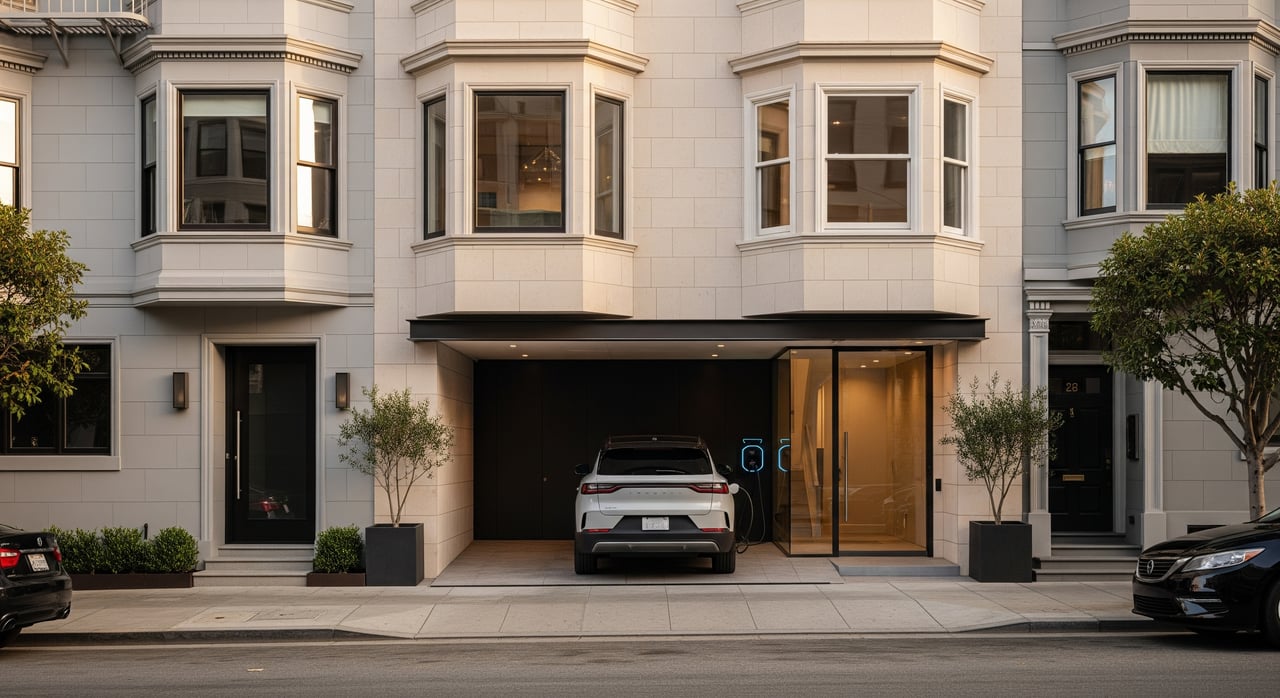
Russian Hill has a high concentration of classic pre-war flats and small multi-unit buildings. Many never converted to condos, so TIC ownership became a practical way to sell individual residences within the same building. You will see TICs in walk-ups and mid-rise wood-framed buildings throughout the neighborhood.
Local factors to keep in mind:
- Parking is limited. Make sure your TIC agreement clearly assigns any parking or storage and describes access rights.
- Steep terrain can affect access and utilities. Confirm how entries, stairways, and service areas are maintained and insured.
- Seismic readiness matters. San Francisco requires certain multi-unit buildings to complete retrofit work. You can search programs and property records through the San Francisco Department of Building Inspection.
- If units are tenant-occupied, local rent control and relocation rules apply. The San Francisco Rent Board provides guidance on registrations, rents, and tenant protections.
How buying works
Buying a TIC looks familiar in some ways, but there are extra steps. Here is the typical flow in Russian Hill.
Search and pre-offer
- Watch for “TIC” or “tenancy in common” in the listing remarks.
- Request the recorded TIC agreement, house rules, building financials, and insurance certificates before you write an offer.
- Confirm share allocations, parking or storage assignments, and any right of first refusal that could delay a sale.
Financing prequalification
TIC loans are a specialty product. Speak with your agent about getting preapproved with a TIC-capable lender offering 'Fractional Financing Programs" before you bid. Expect higher down payment requirements, often 20 to 30 percent, depending on your profile and the building. Government-backed programs like FHA and VA have limited applicability to TICs. For general co-ownership considerations, the Consumer Financial Protection Bureau offers practical guidance that can help you frame questions for your lender.
Offer and contract
Your agent will guide you through the appropriate purchase agreement as well as any required TIC addenda. Many agents rely on forms and addenda from the California Association of Realtors. Make your contingencies clear: financing for a TIC loan, review of TIC documents, property inspections, title, and confirmation of any retrofit obligations.
Escrow and due diligence
A 15-30 escrow is common, though timing can vary with lender and title review. During this period, you will:
- Review title and confirm you will receive a recorded deed for your fractional interest.
- Examine TIC documents, the operating budget, reserves, owner ledgers, and meeting minutes. (Though this should really be done before you sumit an offer)
- Complete inspections for general condition, pest, roof, plumbing, and structure. Verify any required seismic work with the San Francisco Department of Building Inspection.
- If the unit is tenant-occupied, review the lease, rent history, and Rent Board registration through the San Francisco Rent Board.
Loan underwriting and closing
Your lender will underwrite both you and the building. They may require proof of a recorded TIC agreement and certain lender protections. Title companies can insure TIC interests, but underwriting is more complex and may require special endorsements. The American Land Title Association offers background on title standards and endorsements to help you understand the process.
At closing, you will record a deed to your fractional interest. Expect a few more title and escrow steps than a typical condo purchase.
Financing and title basics
- Availability: Not all lenders do TIC loans. There are eight lenders currently offering financing for TICs in San Francisco. Those that do often keep loans on their own books and require strong credit, larger down payments, and ample reserves.
- Loan terms: Terms vary by lender and market conditions. Ask about rates, prepayment penalties, adjustable features, and any building-level requirements.
- Title insurance: Both lender’s and owner’s policies are available for TIC interests. Underwriting can take longer and may include special exceptions.
- Insurance coverage: Many TIC buildings carry a master property and liability policy. You may still want a policy for your contents and improvements. Earthquake coverage is usually separate.
- Costs: Closing costs can be higher for TICs due to added title underwriting, lender fees for specialty products, and potential attorney review. Budget accordingly.
For general consumer guidance on working with licensed professionals, you can also review the California Department of Real Estate.
Local rules to know
- Seismic and soft-story: San Francisco requires certain wood-framed multi-unit buildings to complete retrofits. Check permits, compliance, and deadlines on the DBI website.
- Rent control and relocation: If a unit is tenant-occupied, review rent history, registration, and any relocation obligations with the San Francisco Rent Board.
- Historic context and design review: Some Russian Hill properties face design review for exterior changes. This can affect timelines and budgets for renovations.
- Easements and access: Narrow lots and hillside parcels may rely on recorded easements for access or utilities. Confirm these in title.
- Parking and storage: Assignments should be stated in the TIC agreement and referenced in your deed or a recorded exhibit.
Buyer due diligence checklist
Gather and review these items early:
- Recorded vesting and the deed you will receive for your fractional interest.
- Full, recorded TIC agreement and any occupancy or proprietary lease.
- Any recorded right of first refusal or transfer restrictions.
- Building operating budget, reserves, bank statements, and last year’s financials.
- Owner ledger showing assessments and any delinquencies.
- Minutes from the last 12 to 24 months of owner meetings.
- Master insurance policy for property and liability, plus earthquake policy if applicable.
- Preliminary title report with copies of liens, mortgages, judgments, and easements.
- DBI permit history, open violations, and retrofit requirements.
- Physical inspections: general home, pest, roof, plumbing, and structural as recommended.
- If tenant-occupied: lease, rent payment history, Rent Board registration, and any eviction history.
- House rules, parking and storage assignments, and common area use policies.
- Lender preapproval for a TIC loan, including building-level underwriting requirements.
- Seller disclosures and preliminary title commitment with all exceptions noted.
Red flags and pitfalls
Watch for issues that can derail your deal or add cost later:
- Unrecorded or vague TIC agreements, or reliance on informal understandings.
- High delinquency rates or very low reserves that hint at future special assessments.
- Required seismic or structural work with no plan, scope, or funding mechanism.
- A “master-lease” or single-owner structure where you are buying a lease rather than a deeded fractional interest.
- Lenders unwilling to provide a TIC loan or title companies unwilling to issue needed endorsements.
- Unresolved tenant disputes, unregistered units, or unclear rent control status.
Pro tips to succeed
- Work with your agent to identify a TIC lender who has a strong track record in San Francisco. Get a TIC-specific preapproval before you shop so you can write strong offers quickly.
- Ask for the full TIC package upfront. Reviewing agreements, budgets, and insurance before you bid helps you spot deal-breakers early.
- Verify DBI and Rent Board status at the same time. Retrofit orders or tenant issues can change the numbers.
- Use experienced pros. A real estate attorney familiar with TICs, a local inspector who knows multi-unit SF buildings, and a title company experienced with TIC endorsements will save time and stress.
- Budget for extras. Set aside funds for closing, possible short-term assessments, and any immediate repair items.
When you want a clear path from interest to keys, you deserve guidance that blends neighborhood insight with rigorous underwriting. If you are considering a TIC in Russian Hill, reach out to Unknown Company to map your financing, diligence, and negotiation strategy.
FAQs
What is a TIC in San Francisco?
- A tenancy in common is shared ownership of the same property where you hold a fractional interest and an exclusive right to occupy a specific unit, as defined by the Cornell Legal Information Institute.
How does TIC financing differ from condos?
- Fewer lenders offer TIC loans, underwriting is stricter, and down payments often range from 20 to 30 percent, with building-level reviews part of approval.
Are Russian Hill TICs harder to resell?
- The buyer pool is smaller than for condos, but TICs are established in San Francisco. Resale depends on building condition, documents, and overall neighborhood demand.
What extra costs should I expect with a TIC?
- Plan for higher title underwriting, potential legal review, and lender fees for specialty products, plus standard closing and inspection costs.
What local rules affect TIC buyers in Russian Hill?
What documents should I review before making an offer?
- The recorded TIC agreement, budget and reserves, insurance policies, owner ledger, minutes, title report, DBI records, inspections, and any tenant documentation.