Cow Hollow Walkability, Amenities & Car-Light Living
November 27, 2025
November 27, 2025
What if your daily routine did not revolve around a car key? In Cow Hollow, many of the things you do most often are within a short walk, an easy bus ride, or a casual bike trip. If you want a lifestyle that blends convenience with city energy, this neighborhood makes going car-light feel practical. Below, you will learn how to handle errands, commuting, and recreation without depending on a car, plus what to consider if you are buying or selling here. Let’s dive in.
Cow Hollow is a dense, mixed-use neighborhood with everyday retail clustered along Union Street and parts of adjacent corridors like Chestnut, Fillmore and Van Ness. That pattern places coffee, dining, fitness, and services within quick walking distance for many homes. The street grid and frequent crosswalks support comfortable walking, with mostly short blocks and a blend of flat stretches and mild hills. You are also near major destinations such as the Presidio, Crissy Field, Fort Mason, and the Embarcadero, which are reachable by bike or public transit.
You can cover most daily errands on foot along the core commercial strips. Sidewalk coverage is strong on the main streets, and blocks are short, which makes quick trips efficient. If there is construction on your route, detours can pop up, so it helps to check current curbside conditions before you head out.
San Francisco Municipal Transportation Agency (SFMTA) buses and trolleybuses serve Cow Hollow, connecting you to downtown, Market Street, and key transfer points for BART and other regional lines. For regional trips, you can transfer to BART or Caltrain after a short Muni hop or bike ride. Travel times vary by time of day and route, so plan with current SFMTA schedules or a trip planner for a realistic door-to-door estimate.
You will find a mix of protected and painted bike lanes on primary routes leading to the Marina, Presidio, Golden Gate Bridge approaches, and toward downtown. This setup makes active commuting or weekend rides appealing. Bay Wheels bike-share and permitted e-scooter options operate citywide; availability in specific blocks can change with city rules, so check the latest station maps when you need them.
On-demand ride-hailing is widely used for off-peak trips, late nights, or hauling heavy items. Carshare vehicles often have designated neighborhood pods, giving you flexible access for errands or weekend outings without monthly ownership costs. Traditional rentals and peer-to-peer options are additional backstops for longer trips.
Grocery delivery, takeout, and same-day couriers can replace many car errands. Many multiunit buildings offer package rooms or lockers to handle volume and prevent missed deliveries. If you are considering a condo or apartment, ask about package policies and storage capacity for peak shopping seasons.
Cow Hollow’s commercial corridors offer a range of markets, specialty shops, and small supermarkets within a short walk for many residents. Pickup and delivery options are common, which makes weekly shopping manageable without a car. The neighborhood’s restaurant density also reduces the need to travel far for meals.
Pharmacies, primary care, and urgent care are typically a short walk or transit ride away. Larger hospitals are reachable by public transit or a brief rideshare. If you have specific providers, confirm current locations and hours before you commit to a routine.
Public and private schools, preschools, and daycare centers are accessible within the broader area by walking, biking, or Muni, which can reduce the need for a second vehicle for school-day logistics. Always verify enrollment policies, routes, and timing to see how they fit your schedule. Use neutral data and official resources to plan daily travel.
You are close to signature open spaces, including Marina Green, Crissy Field, Fort Mason, and Presidio trails. These destinations are pleasant for walks, runs, and bike rides, and many residents use them as low-stress commuting routes. For families and pet owners, playgrounds and dog-friendly areas nearby support daily outdoor time without a drive.
On-street parking in Cow Hollow can be tight. Many blocks fall under Residential Permit Parking programs with time limits for non-permit holders, meter enforcement on commercial streets, and scheduled street cleaning. If you plan to keep a car, confirm the RPP zone for your address and understand meter hours and restrictions before you sign a lease or purchase.
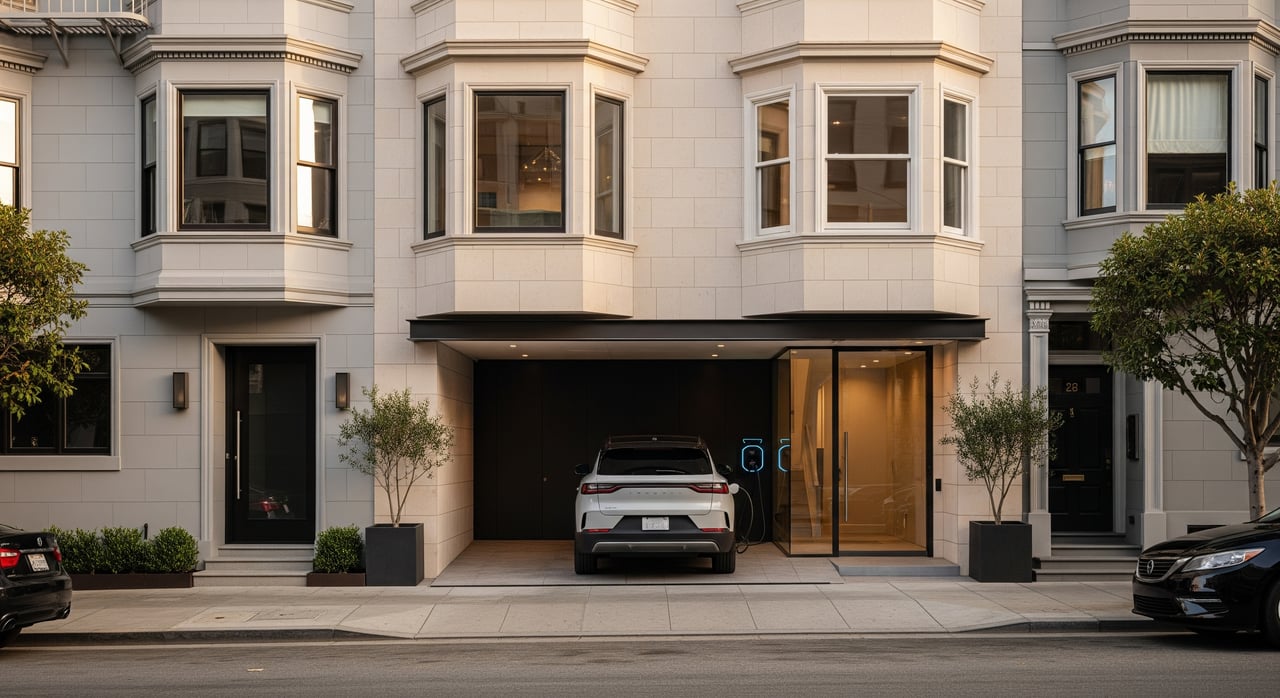
A dedicated off-street parking space remains a premium feature and can be a decisive convenience. If you own or plan to own an electric vehicle, ask about on-site charging, EV-ready wiring, or the building’s stance on adding chargers in deeded or assigned spaces. Public charging options exist across the city, but access varies block by block, so consider a home charging plan if EV ownership is important to you.
Beyond parking, you should factor in insurance, registration, and routine maintenance. Compare those costs with typical monthly spending on transit, rideshare, and carshare. For many Cow Hollow households, a car-light setup can be cost-competitive while improving day-to-day convenience.
Car-light buyers often prioritize strong walkability, quick transit access, and bike-friendly routes. Features like secure bike storage and in-unit laundry can meaningfully reduce errand time and outside trips. A flexible parking situation, even without deeded spaces, can still work when rideshare and carshare are nearby.
Sellers can help buyers visualize routines by clearly stating walking minutes to groceries and transit, bike lane connections, and nearby recreation. Call out any dedicated parking, EV capacity, secure bike storage, and package rooms. Quantify typical transit or bike travel times to downtown job centers with clear ranges and note connection points to BART and Caltrain.
Research often finds positive correlations between walkability or transit access and property performance, though impacts vary by segment and cycle. In Cow Hollow, lifestyle convenience and access to outdoor assets are major draws. Positioning a listing with both lifestyle storytelling and practical mobility details can widen the buyer pool and support pricing.
If you want a home that aligns with a car-light lifestyle and a strong financial plan, let’s talk about the right streets, buildings, and features for you. Schedule a strategy call with Steve Giannone to get tailored guidance and on-the-ground insights.
Stay up to date on the latest real estate trends.








Get expert guidance tailored to your goals—whether you're buying, selling, or investing. Let's map out your next move with clarity and confidence.