Presidio Heights Architecture: A Buyer’s Style Guide
December 4, 2025
December 4, 2025
Are you drawn to Presidio Heights for its stately façades and tree‑lined streets, but unsure how to tell an Edwardian from a Tudor or what that means for your inspection budget? You are not alone. In this neighborhood, beautiful architecture and century‑old construction meet modern living needs, so understanding style, structure, and permitting helps you buy with confidence. This guide shows you how to recognize the major home styles, what to prioritize during inspections, and how local rules shape renovations and future value. Let’s dive in.
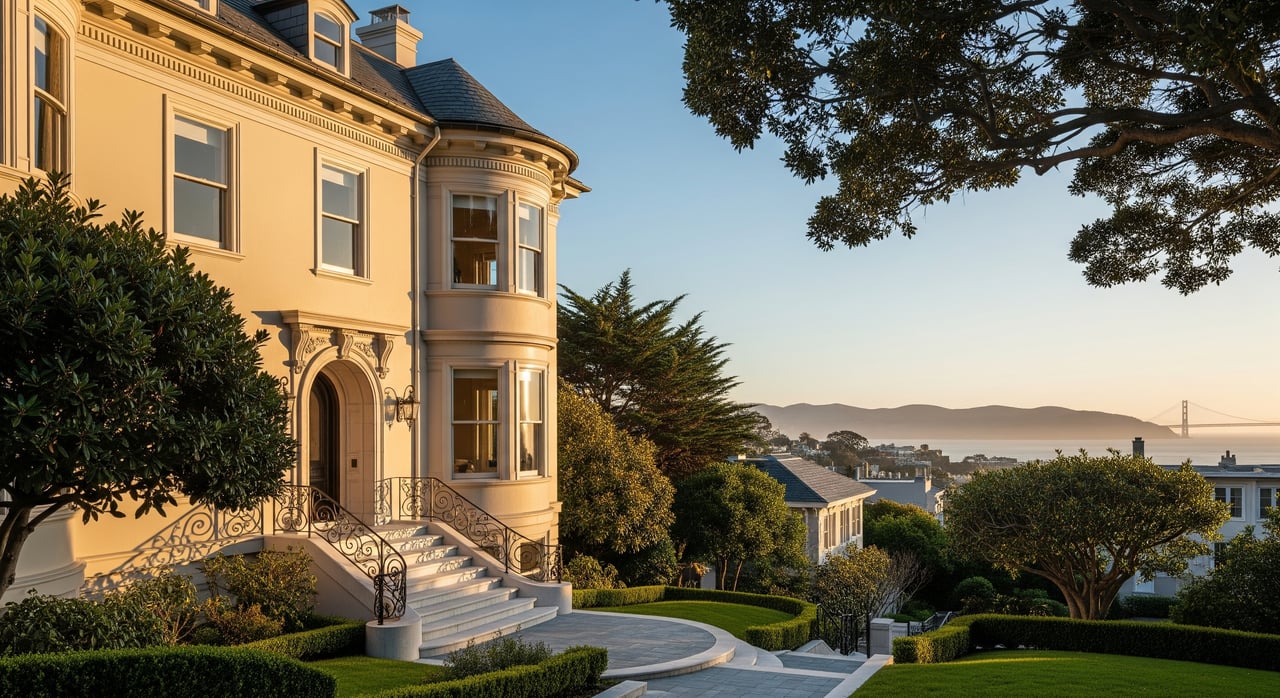
Presidio Heights is an established residential enclave next to the Presidio and near Pacific Heights and Laurel Heights. The housing stock leans toward early 20th‑century single‑family homes and well‑built multi‑unit buildings, plus later remodels and a smaller number of mid‑century or contemporary replacements. The streets present a formal, refined character with detached or semi‑detached homes and period detailing.
For buyers, expect historically influenced exteriors and more inward‑oriented floor plans. Authentic restorations can be costly, especially when preserving period finishes. The combination of location and architecture supports strong demand, which rewards well‑preserved character and thoughtful updates.
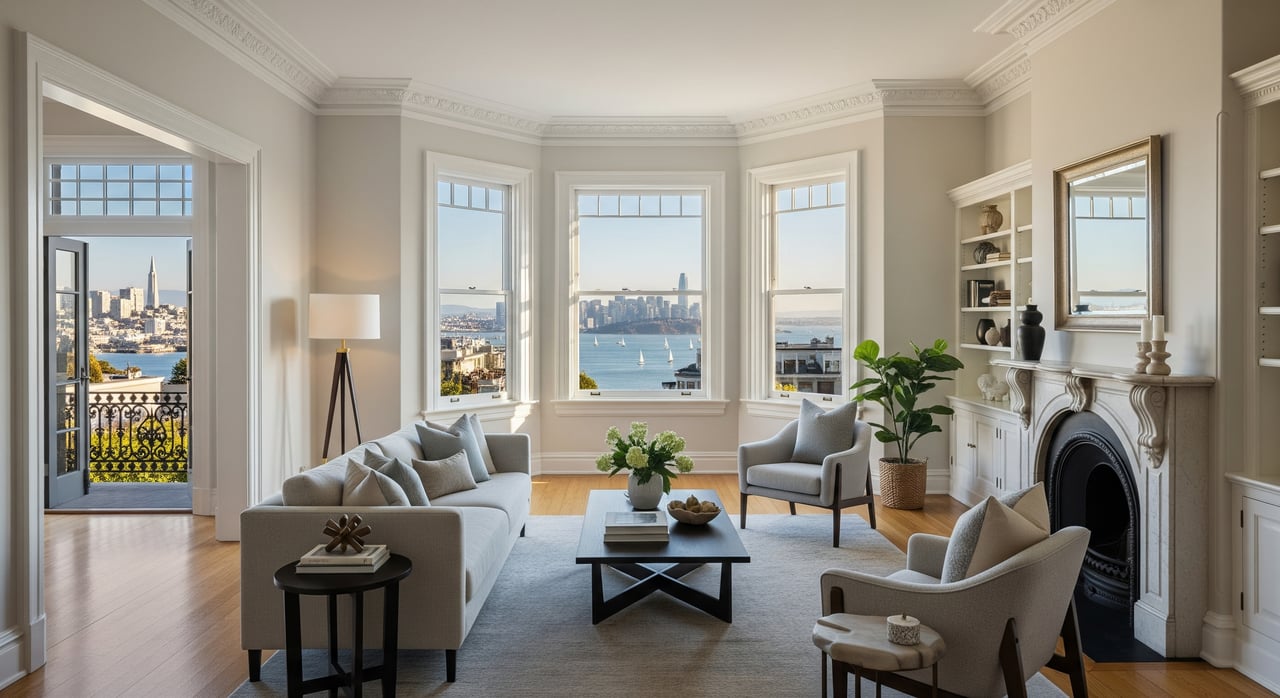
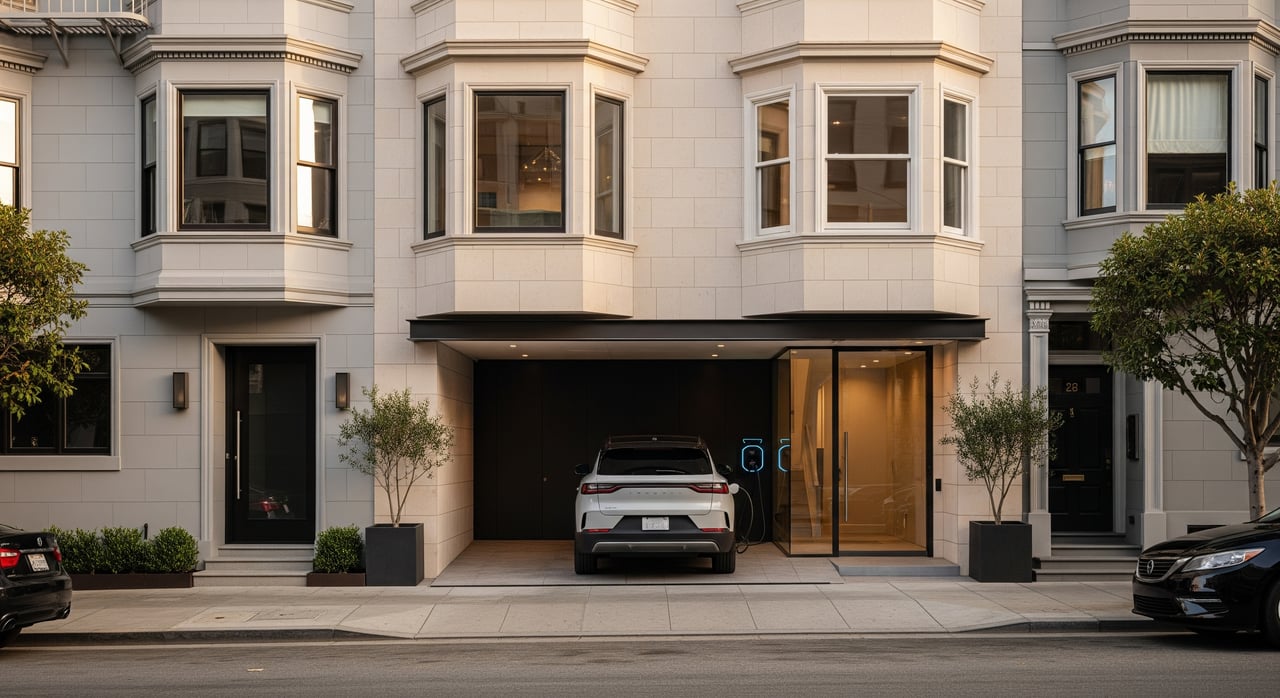
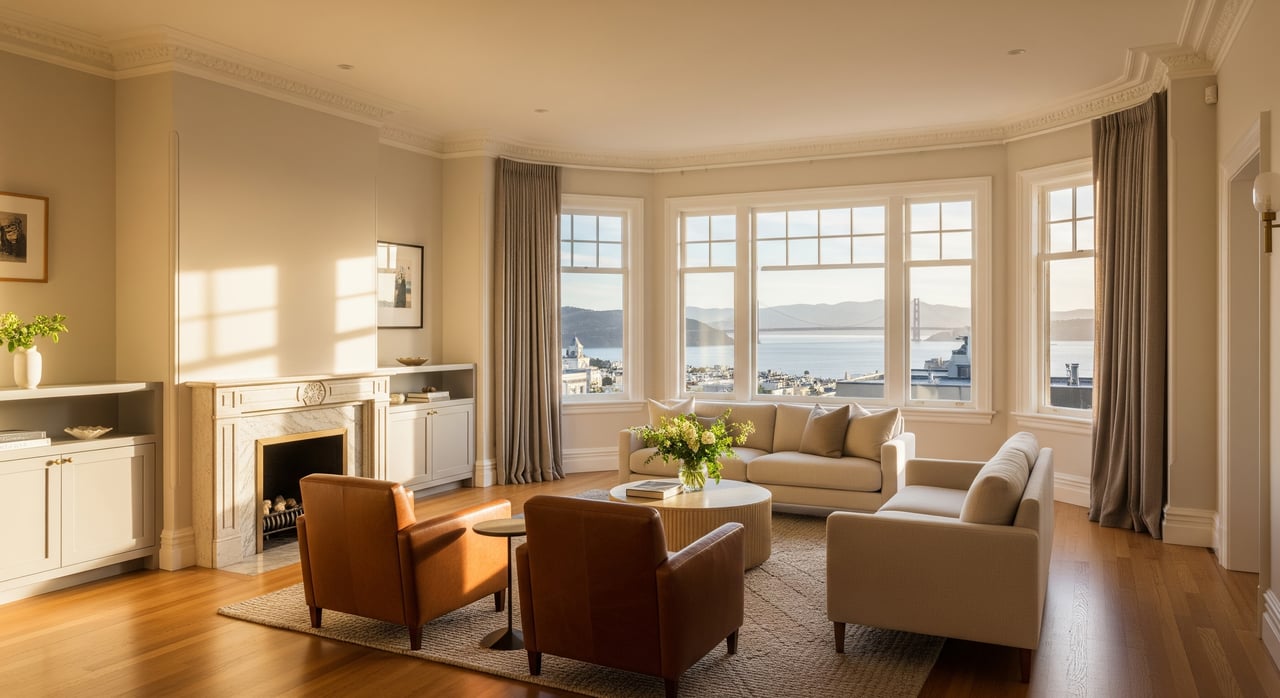
Roughly 1900 to 1920. Exteriors are more restrained than Victorians, with boxed bay windows, symmetrical or slightly asymmetrical façades, and modest moldings. Interiors often feature higher ceilings than many newer homes, more conventional room layouts, plaster walls, and original wood trim.
Buyer notes: Many remain beautifully remodeled. Look for older systems like knob‑and‑tube wiring, galvanized plumbing, and lath‑and‑plaster that may need repair or replacement.
Late 1800s to early 1900s and less common here than in older San Francisco enclaves. Exteriors show asymmetry, ornate bays, decorative trim, and patterned shingles with complex rooflines. Interiors can include ornate trim, pocket doors, and built‑ins.
Buyer notes: Restoration can be labor intensive due to the level of ornamentation. Older paint layers may contain lead and should be tested.
Early 1900s through the 1930s. Expect symmetrical façades, classical columns or pilasters, pediments, and formal entries. Interiors emphasize formal room arrangements, built‑ins, and detailed classical moldings.
Buyer notes: These homes are often robustly built. If a property has historic status, exterior alterations may require preservation review, especially at the primary façade.
Most common from 1915 through the 1930s with occasional later revivals. Stucco exteriors, red clay tile roofs, arched openings, and wrought‑iron accents define the look. Interiors may feature plasterwork, tile floors, and arched passageways.
Buyer notes: Stucco can hide moisture issues. Inspect roof transitions, flashings, and any exterior penetrations carefully.
Popular from 1915 through the 1940s. Look for steeply pitched roofs, half‑timbering, tall narrow windows, and prominent chimneys. Interiors vary, but traditional details are common.
Buyer notes: Complex rooflines and masonry chimneys require diligent maintenance and periodic repair.
Early 1900s to 1920s, with later influences. Exteriors often show exposed rafters, wide eaves, and tapered porch columns. Interiors may include built‑ins, exposed joinery, pocket doors, and open but distinct rooms.
Buyer notes: Original woodwork and joinery add value but are costly to replace or match. Protect and maintain these finishes where possible.
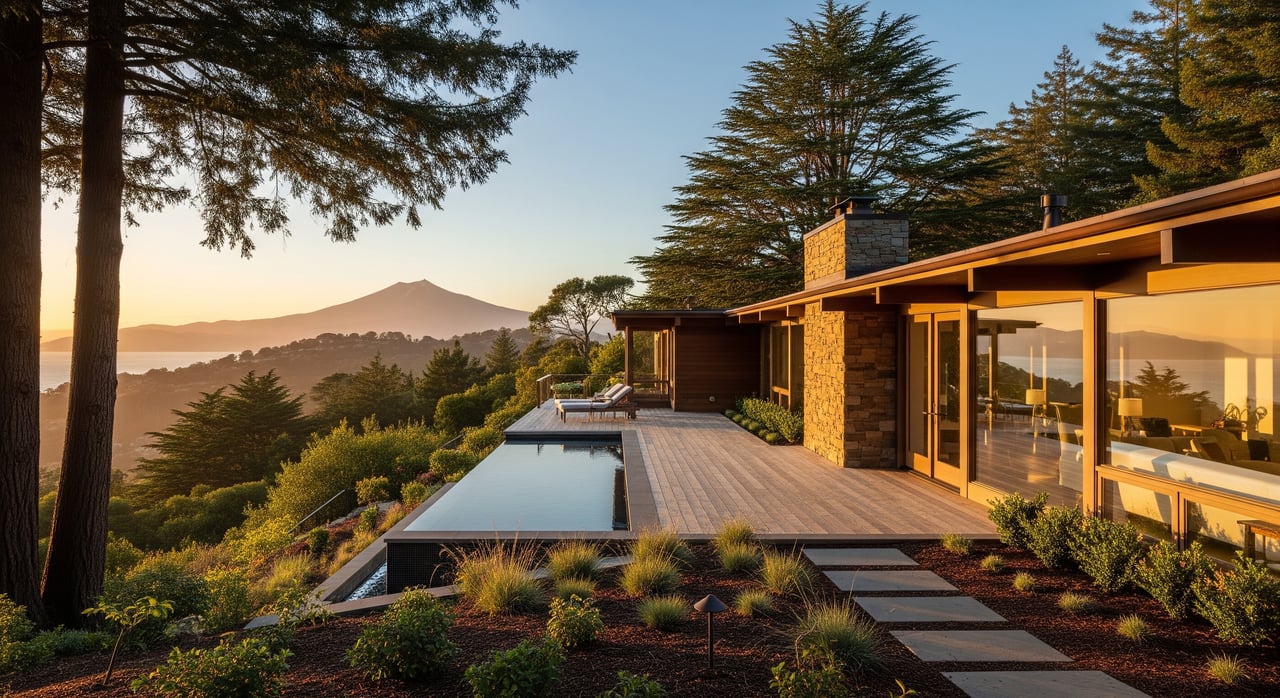
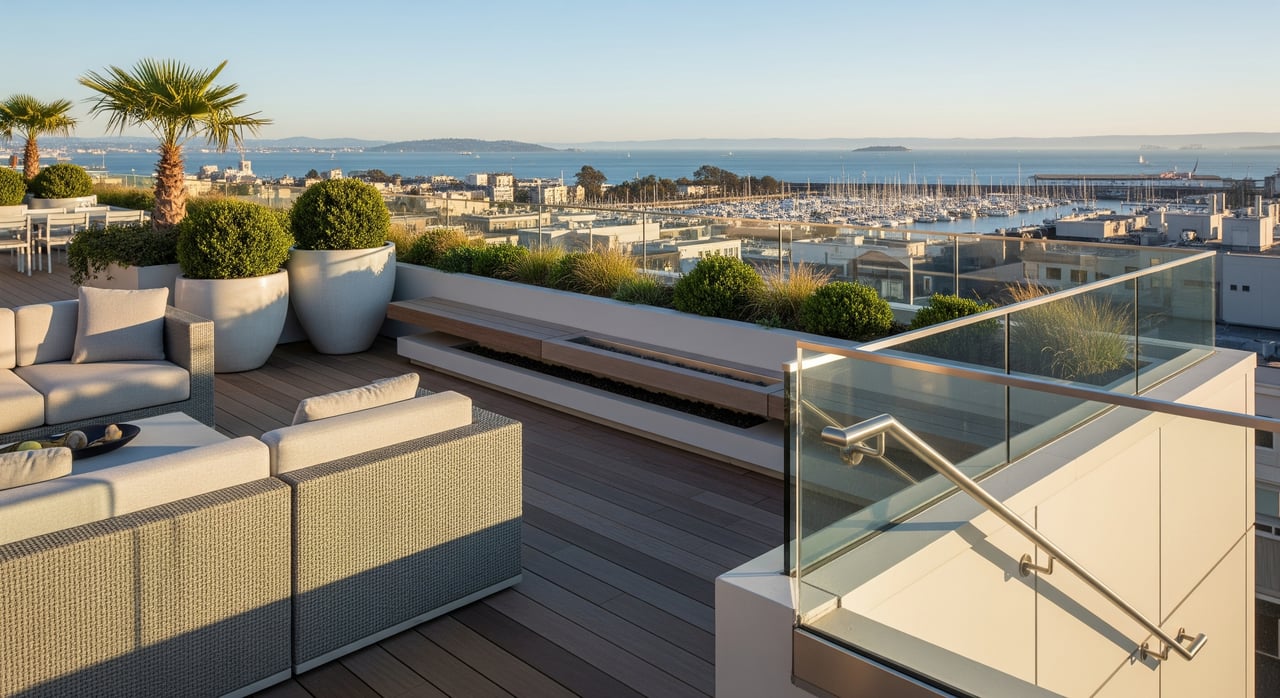
Post‑1945 to present, often as additions or full remodels. Expect open floor plans, large glass areas, minimalist detail, and an emphasis on light and site integration.
Buyer notes: Many period homes have modernized interiors. Verify the structural quality and permit history of major remodels.
Many homes are wood‑frame on raised or concrete foundations. In San Francisco, seismic performance is a key concern for older buildings. Soft‑story conditions, unreinforced masonry chimneys, and older foundations are typical retrofit targets.
Action: Engage a structural engineer to evaluate retrofit needs and costs before you finalize a purchase.
Common roof systems include composition shingles and clay tile on Mediterranean styles. Exteriors range from stucco to wood siding. Stucco can conceal moisture intrusion. Wood siding requires regular painting and upkeep.
Action: Inspect roof age and flashing, gutters and downspouts, and all exterior penetrations. Check for signs of deferred maintenance.
Older homes may still have galvanized steel plumbing and knob‑and‑tube wiring. Many have been updated with copper pipes and modern electrical panels, but you should not assume complete replacement.
Action: Include a licensed plumber and electrician in your inspection lineup to assess scope and sequencing for upgrades.
A number of older homes lack modern insulation and have single‑pane windows. HVAC systems are often retrofits. Energy upgrades, from insulation to window improvements, are common post‑purchase projects.
Action: Evaluate heating and cooling systems, water heater age, window condition, and the feasibility of insulation upgrades.
Lead paint, asbestos in older materials, and other historical hazards may be present in pre‑1978 construction.
Action: Test for hazardous materials and obtain remediation estimates so you can budget accurately.
San Francisco maintains a Historic Preservation Commission and recognizes landmarks and local historic districts. Historic status can affect permitted alterations, particularly changes to primary façades and other character‑defining elements.
Action: Verify whether a property is a designated landmark or within a historic district through Planning and Historic Preservation records before you plan exterior changes.
California’s Mills Act can provide property tax relief for qualifying historic properties in exchange for a preservation agreement. Requirements vary by property and jurisdiction, and participation entails ongoing maintenance and compliance with agreed‑upon standards.
Action: If a home appears eligible, review the program details and obligations before you count on any tax benefit.
California law supports accessory dwelling units, and San Francisco has local processes to permit ADUs and other alterations. Zoning, lot coverage, setbacks, and potential historic review all shape what is possible.
Action: Confirm zoning and lot constraints, and check whether proposed changes will trigger discretionary review. Always verify permit history for past work.
The city enforces retrofit programs for certain vulnerable building types. While many requirements focus on multi‑unit buildings, single‑family homes often need seismic work during major renovations.
Action: Ask local agencies about required seismic upgrades for your planned scope and investigate financing options if available.
In neighborhoods like Presidio Heights, well‑preserved period details and authentic architectural features often command a premium. Buyers also value thoughtfully integrated modern conveniences. Extensive alterations that remove character can limit appeal for those seeking period authenticity.
Restorations that retain character‑defining elements resonate with niche buyers. Full modernizations can broaden appeal, yet may reduce historic value or trigger more robust design review if the exterior changes are substantial. Plan updates that respect the façade while improving function inside.
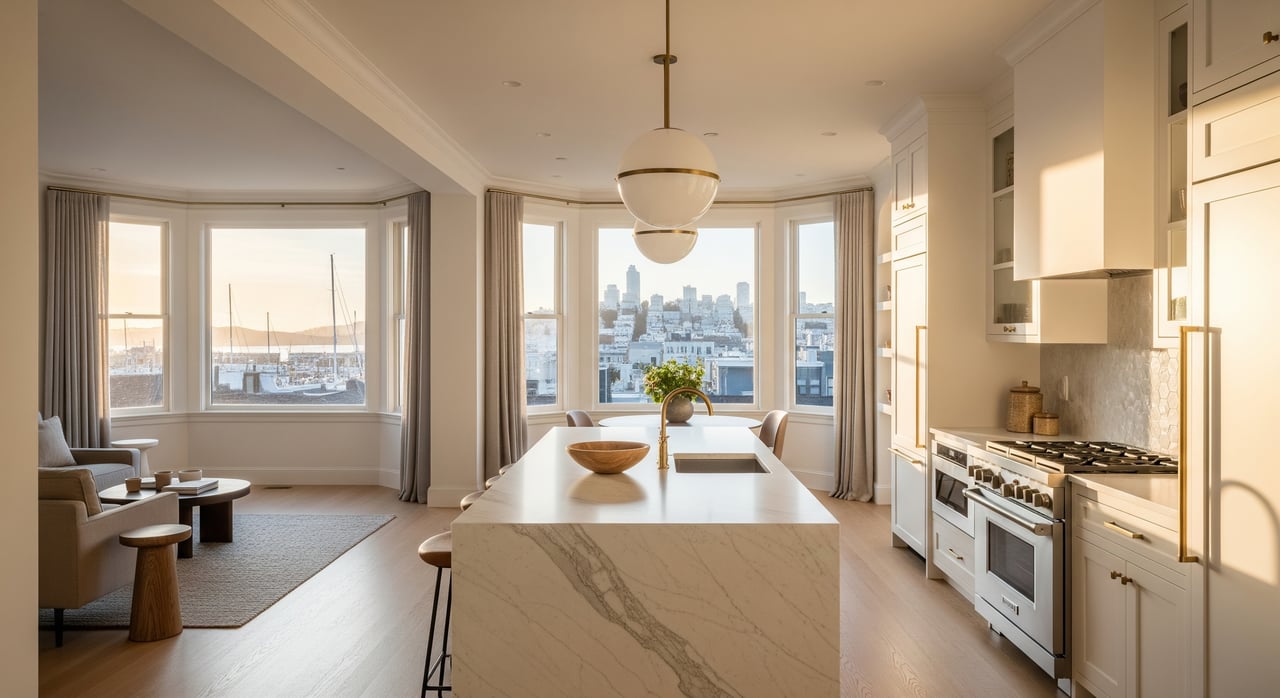
Traditional layouts include formal front rooms and separate kitchens. Many buyers prefer open kitchen and family room combinations. Achieving an open plan in a period home may require structural work, which carries permit implications and added cost.
Use this list to keep your evaluation organized during showings and inspections.
If you prioritize formal entertaining, Colonial or Classical Revival homes can fit well. If you want warmth and built‑ins, Craftsman can be appealing. If indoor‑outdoor flow and open plans top your list, look for modern renovations or homes with layouts that adapt more readily.
Electrical, plumbing, insulation, and seismic upgrades are not as visible as a new kitchen, yet they support safety, comfort, and long‑term value. Build a budget that accounts for both system upgrades and cosmetic work.
If a home may be historic, factor in design review for façade changes. Interior changes can still require permits, especially if they affect structure or major systems. Confirm feasibility early so renovation timelines align with your move‑in goals.
Buying in Presidio Heights is an opportunity to secure timeless design, a refined neighborhood setting, and long‑term value. With the right plan, you can honor a home’s character while creating a comfortable, modern lifestyle. If you would like a tailored shortlist of on‑ and off‑market options and a preliminary inspection and renovation roadmap, connect with Steve Giannone.
Stay up to date on the latest real estate trends.


Get expert guidance tailored to your goals—whether you're buying, selling, or investing. Let's map out your next move with clarity and confidence.