Planning A Marina District Purchase Around Remote Work
June 4, 2026
June 4, 2026
Wondering whether the Marina District can truly support your work-from-home routine, not just your weekend lifestyle? If you are planning a home purchase in 94123 and need a space that works for Zoom calls, focused hours, and occasional office trips, the details matter more than the postcard views. The good news is that the Marina can be a strong fit if you know what to prioritize before you buy. Let’s dive in.
The Marina District blends residential streets, classic San Francisco architecture, neighborhood retail, and access to major outdoor spaces. SF Planning describes it as a predominantly residential area of flats, apartment buildings, and single-family homes built on the site of the 1915 Panama Pacific International Exposition. Today, the neighborhood is known for parkland, local shopping streets, and proximity to downtown.
For remote and hybrid buyers, that mix can be especially appealing. You get a neighborhood that feels active and connected, while still offering plenty of places to step away from your screen. Marina Green, Fort Mason, the Palace of Fine Arts, and nearby Crissy Field can all serve as easy reset points during the workday.
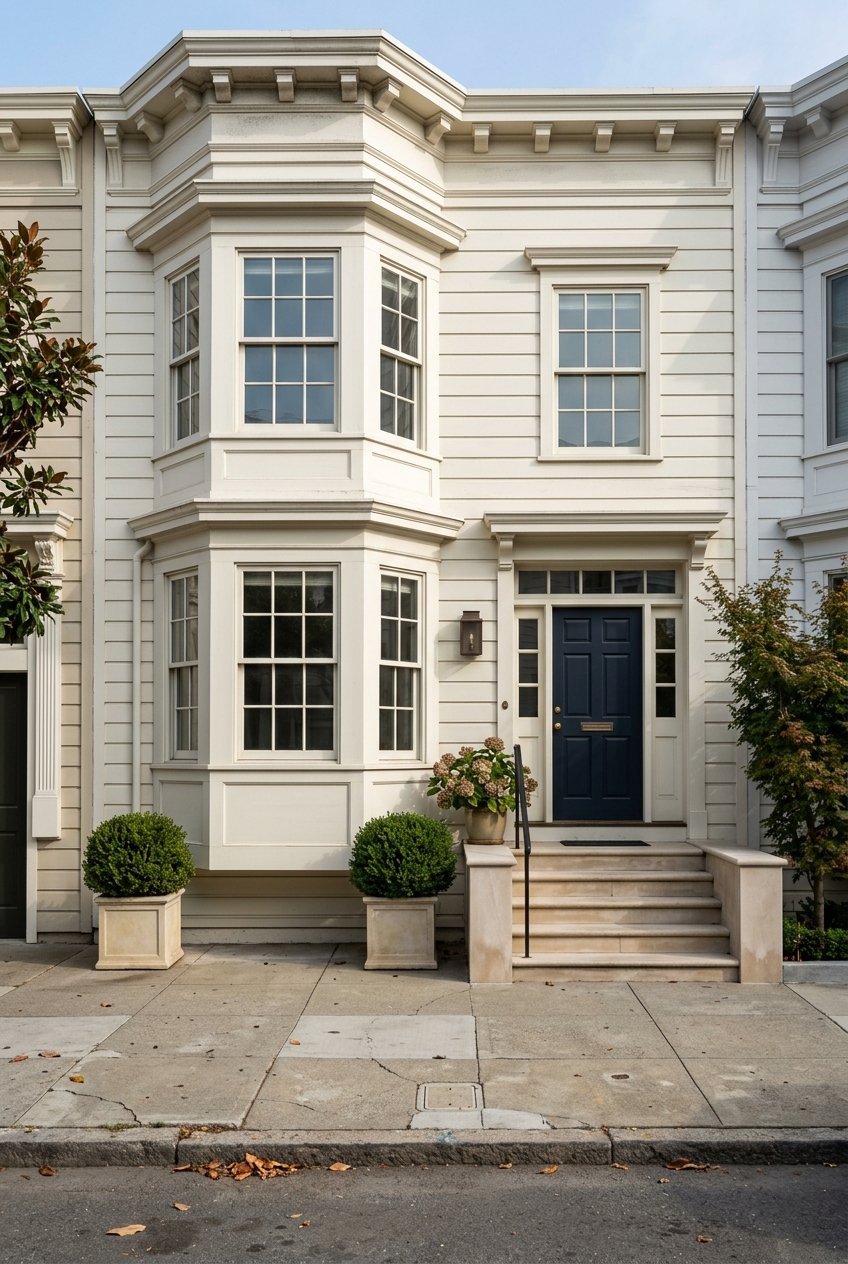
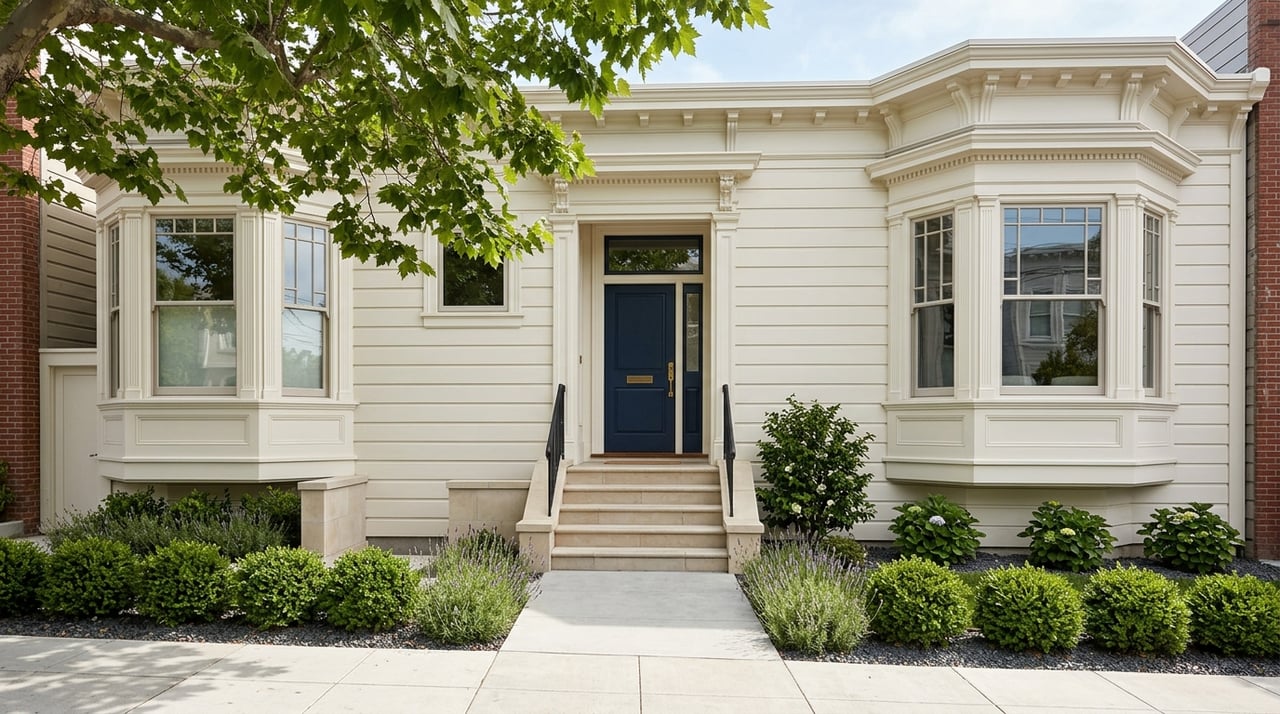
A big part of purchase planning in the Marina comes down to the housing stock itself. Many homes date from the 1920s and 1930s, and SF Planning notes that Mediterranean and Spanish Revival styles are common. That gives the neighborhood much of its charm, but it also means you should look beyond finishes and ask how the space functions day to day.
Older flats and condos do not always offer a clean, modern office layout. In some homes, the extra room you hoped to use as an office may be narrow, open to the main living area, or short on storage. If remote work is part of your daily life, a beautiful home still needs to support your actual schedule.
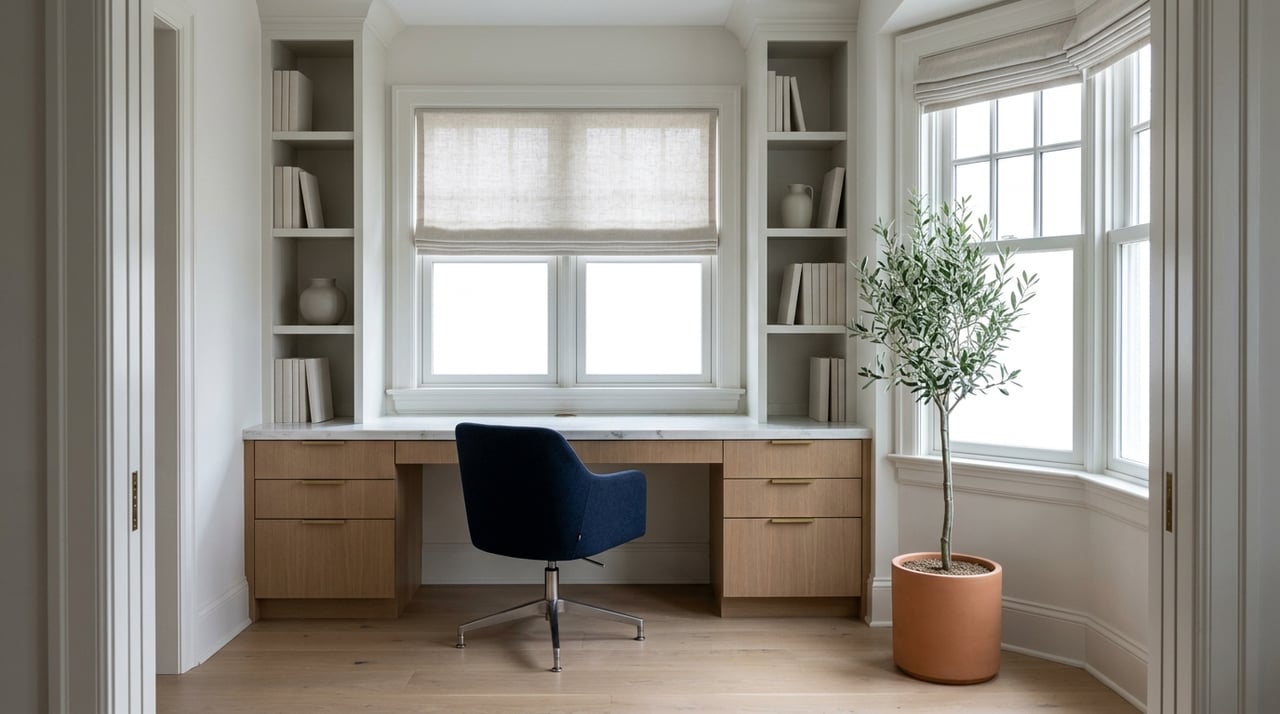
If you spend several days a week working from home, a true enclosed office is ideal. At minimum, look for a flex room with a door or a layout that lets you separate work from living space. This matters more in the Marina because many homes were not originally designed with dedicated office use in mind.
As you tour, pay attention to practical details that are easy to miss in a showing. Check usable wall space, closet depth, outlet placement, and whether a desk setup fits naturally without taking over the room. If you use multiple monitors or take frequent video calls, these details can shape your experience every single day.
Natural light can make or break a home office. San Francisco’s climate is mild, and NOAA data for San Francisco International Airport shows a mean annual temperature of 58.7°F, with average July and August highs in the low 70s. The National Weather Service also notes that winter fog can be dense, while spring and fall tend to have the clearest days.
That means you should avoid judging a space based on one bright afternoon showing. Instead, think about how the home will feel during a gray morning, an early winter sunset, or a long stretch of indoor work. In a neighborhood where light can shift with weather and exposure, this is a smart part of your buying process.
Remote buyers often focus on square footage first and quiet second, but in the Marina, both deserve equal attention. The neighborhood sits between the bay and the Lombard Street corridor, and active commercial streets like Union and Chestnut add to the energy. Fort Mason and Marina Green also host events and outdoor activity that can affect nearby homes.
That does not mean noise is a deal breaker. It means you should evaluate it honestly. A corridor-facing unit or an event-facing home may need stronger windows, better room placement, or simply a buyer whose work schedule can tolerate more daytime and evening activity.
Try to visit at different times if possible. A home that feels peaceful on a weekend morning may sound very different during the late afternoon or early evening. If your job depends on quiet calls, recording, or concentrated work, this step is worth the extra effort.
Inside the home, notice where bedrooms and office areas sit relative to the street. A charming front room with great light may not be the best office if it faces a busy corridor. Sometimes the smartest choice is the home with the better work layout, not just the better first impression.
In Marina condos and multi-unit buildings, the most useful amenities are often the least flashy. For remote workers, package handling, bike storage, guest parking, and reservable common areas can matter more than trend-driven extras. If your unit lacks a perfect office, a private room for occasional calls or meetings can be a meaningful bonus.
This is especially relevant in older buildings where layouts may be compact. The right shared amenities can help offset what the unit itself does not fully provide. During your review, ask how these spaces are used and whether they actually support daily life.
Every home purchase needs careful review, but in the Marina, due diligence carries even more weight. The neighborhood’s site history and older building stock make it important to look closely at both the property and the building systems. If you plan to work from home most days, you want a home that feels dependable, not just attractive.
This is where disciplined purchase planning can protect both your lifestyle and your long-term investment. A calm work environment depends on more than layout alone.
The Marina is well known for its liquefaction risk. USGS has identified the district as one of the areas most severely affected during the 1989 Loma Prieta earthquake because of its fill and shallow water table. Later USGS work also notes that sea-level rise can increase liquefaction severity in bay-margin artificial fill.
For buyers, the practical takeaway is clear. Pay close attention to foundation type, garage condition, drainage, waterproofing, insurance considerations, and any history of seismic retrofit work. If a home is going to serve as your headquarters for work and life, you want confidence in the structure beneath it.
In older Marina buildings, the paperwork can tell you a lot about day-to-day livability. Ask for HOA reserves, roof age, elevator history if applicable, window replacement records, and any notes about moisture intrusion or garage seepage. These may not be the most exciting parts of the file, but they often reveal how predictable ownership will feel.
For remote workers, predictability matters. A building with unresolved maintenance issues can create noise, disruption, and unexpected costs at exactly the wrong time.
Internet should never be assumed based on neighborhood reputation alone. The FCC National Broadband Map is address-searchable and shows providers, technologies, and advertised speeds reported for a specific location. That makes it a useful tool when you are comparing homes that need to support video calls, large file uploads, and multiple connected devices.
This step is especially important in condos and older buildings, where unit-level service can vary. If your income depends on reliable connectivity, broadband verification belongs on your must-do list.
Even if you work remotely most of the time, you may still need access to downtown meetings, client lunches, or Peninsula office days. The Marina offers useful transit options for buyers who want flexibility without depending on a car for every trip.
SFMTA lists the Marina as served by several Muni routes, including the 22 Fillmore, 30 Stockton, 30X Marina Express, 45 Union/Stockton, 47 Van Ness, 49 Van Ness/Mission, and overnight 90 and 91 service. That range can make it easier to reach downtown transfer points and connect to the rest of the city.
For broader travel, downtown BART and Caltrain connections come into play. Embarcadero and Powell Street are the key downtown BART hubs for many Marina residents heading into the larger regional transit network. For Peninsula trips, Caltrain serves San Francisco, South San Francisco, and Redwood City, with connections to Muni, BART, SamTrans, VTA, and the airports.
If your work pattern includes occasional in-person days, this can help the Marina function well as a home base. You may not have rail right in the neighborhood, but you do have access to the systems that support broader Bay Area movement.
Coworking inventory is more concentrated downtown than in the Marina itself. Official workspace listings highlight options at Two Embarcadero Center, 388 Market Street, and 1390 Market Street, with flexible offices and meeting rooms geared toward commuters and occasional users. There are also smaller neighborhood workspace examples, including a Marina-addressed office suite on Union Street.
That gives you another layer of flexibility. If your home is your primary office but you occasionally need a polished professional setting, the Marina can still support that lifestyle.
If you are planning a Marina District purchase around remote work, think of the home as both a residence and a daily operating base. Prioritize usable office space, daylight, quiet, and verified internet before you get swept up in cosmetic appeal. Then pair that with strong due diligence around structure, maintenance, and building records.
This is where a more analytical buying approach can pay off. In a neighborhood with real character and real tradeoffs, the strongest purchase is usually the one that supports your routines as well as your long-term goals. If you want help evaluating Marina properties through both a lifestyle and underwriting lens, connect with Steve Giannone to schedule a strategy call.
Stay up to date on the latest real estate trends.
Get expert guidance tailored to your goals—whether you're buying, selling, or investing. Let's map out your next move with clarity and confidence.