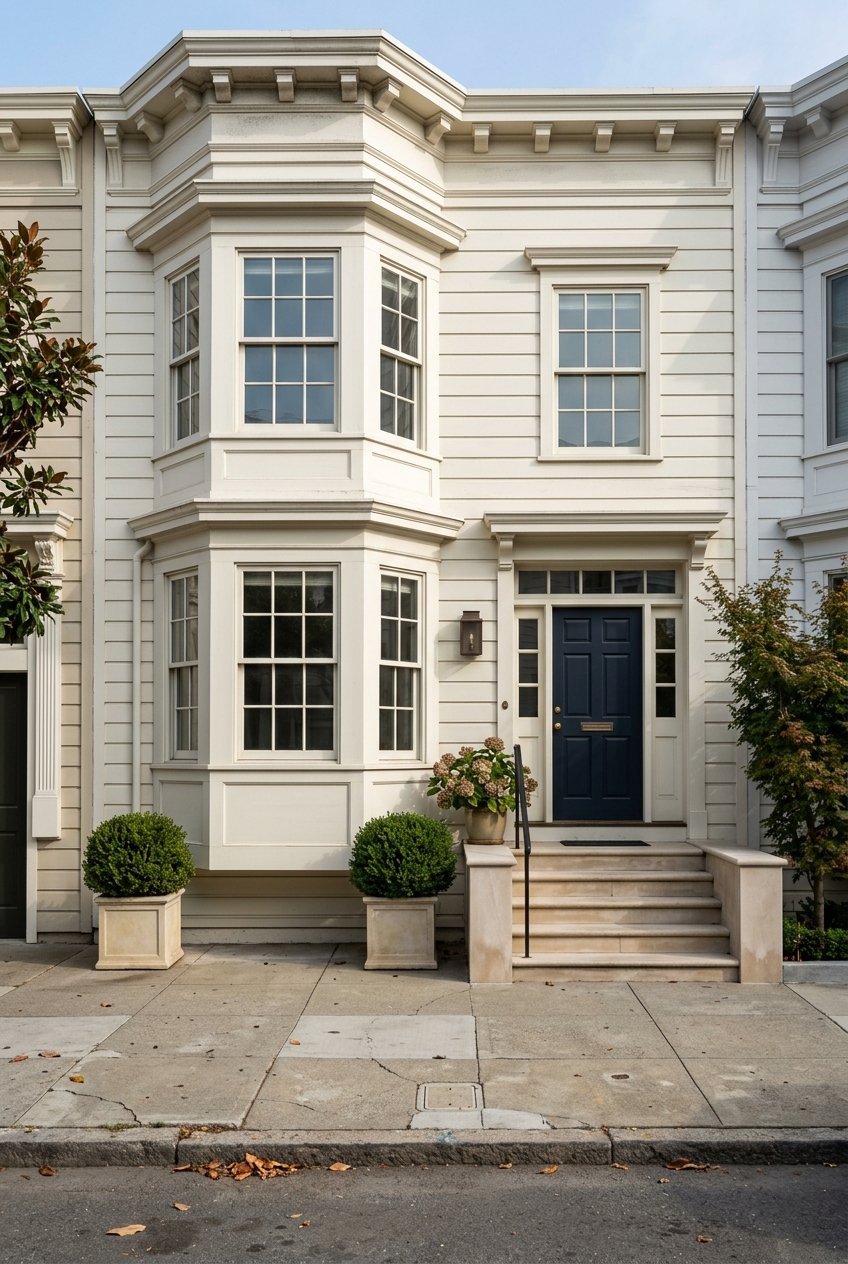
Setting A Winning List Price In Pacific Heights
May 7, 2026
May 7, 2026
If you price too high in Pacific Heights, you can quietly shrink your buyer pool. If you price too low without a plan, you may leave money on the table. In a neighborhood where views, finish level, and legal square footage can change value in a big way, setting the right list price takes more than a guess. You need a number that is both market-smart and defensible. Let’s dive in.
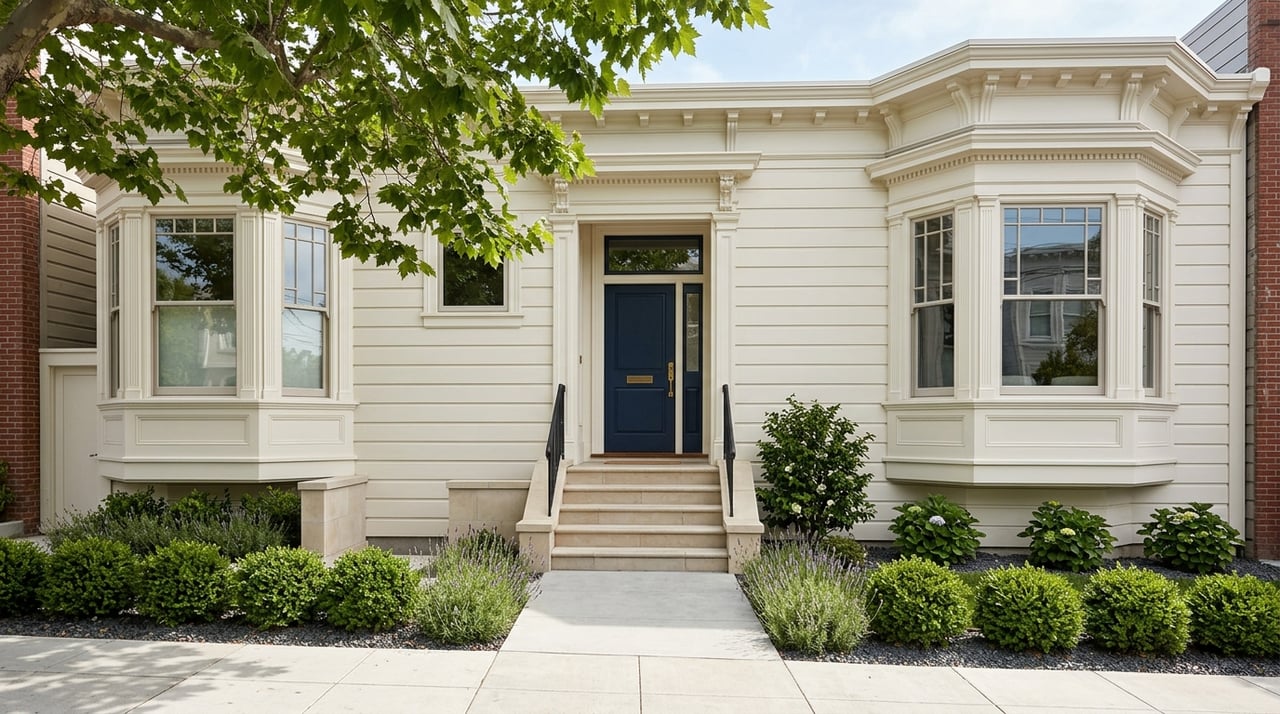
Pacific Heights is not a cookie-cutter market. It is a view-driven San Francisco neighborhood known for hillside topography, distinctive homes, landscaped streets, and strong Bay outlooks. That means pricing has to reflect not just size and location, but also the specific experience your property offers.
The market is also competitive. Redfin’s March 2026 data shows a median sale price of $2,300,500, median days on market of 13, and a Compete Score of 92 in Pacific Heights. Redfin also reports that the average home sells about 7% above list price, while hot homes can sell about 18% above list.
That does not mean every home should be priced aggressively low. It means the right list price can create urgency when it is grounded in the market. In Pacific Heights, a winning price is usually the highest price that recent sold comps and the home’s actual features can support.
A strong pricing strategy begins with recent closed sales, not current asking prices. The Appraisal Institute notes that appraisers rely on the sales comparison approach, looking at recent sales near the subject property while weighing condition, construction, features, and current market trends.
That matters because active listings show seller ambition, not market proof. Pending sales can offer useful context, but closed sales are what show what buyers actually paid. If you want a list price that stands up during negotiations and buyer scrutiny, sold comps need to lead the analysis.
In Pacific Heights, the best comp set usually starts by matching the same property type. A luxury condo should not be casually compared to a fully detached single-family home, and a dated unit should not be benchmarked to a renovated trophy residence without careful adjustment.
Once you identify the right sold comps, the next step is adjusting for the features that truly move price in this neighborhood. In Pacific Heights, a few variables tend to matter more than others.
Views are one of the biggest pricing variables in Pacific Heights. Appraisal Institute research shows that view premiums are site-specific and generally rise as view quality improves, with stronger water views commanding the highest premium.
That means you should not apply a generic dollar amount for “having a view.” A partial outlook, a framed Bay view, and a dramatic panoramic water view can produce very different buyer reactions. The most reliable way to price this correctly is to compare your home to nearby sold properties with similar view profiles.
Condition has a major impact on value. The Appraisal Institute says appraisers consider interior and exterior quality, upgrades, structure, appliances, foundation, and car storage, among other factors.
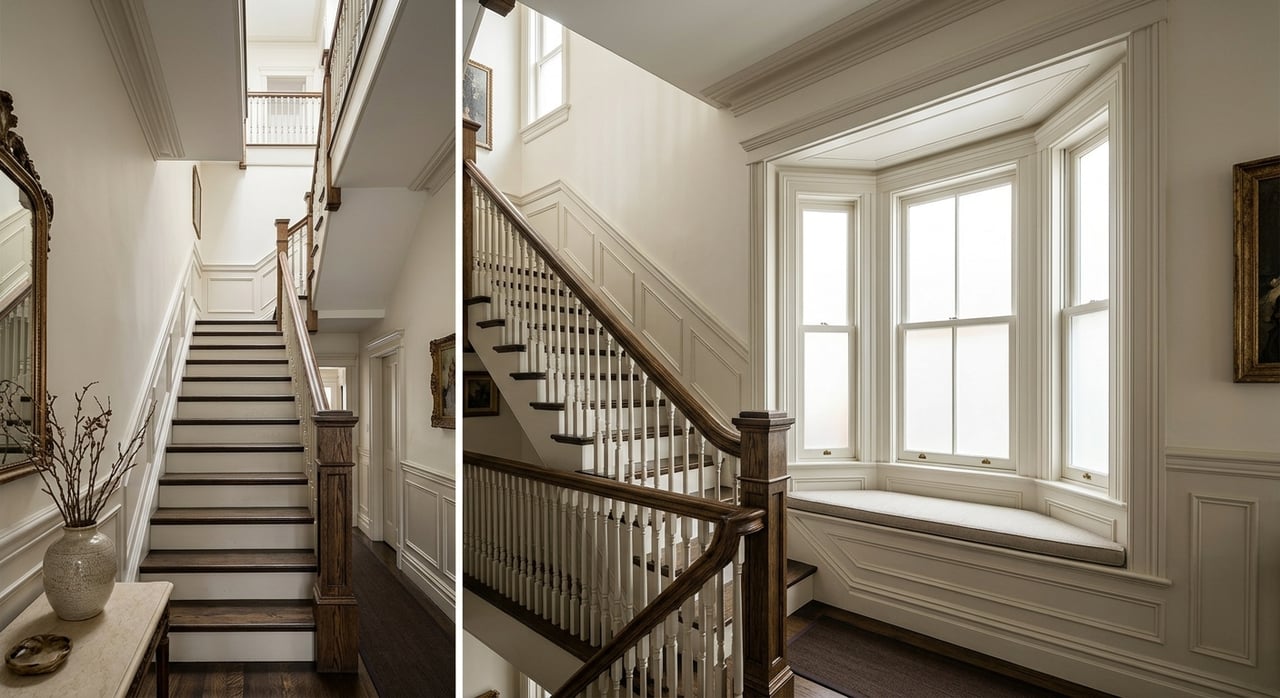
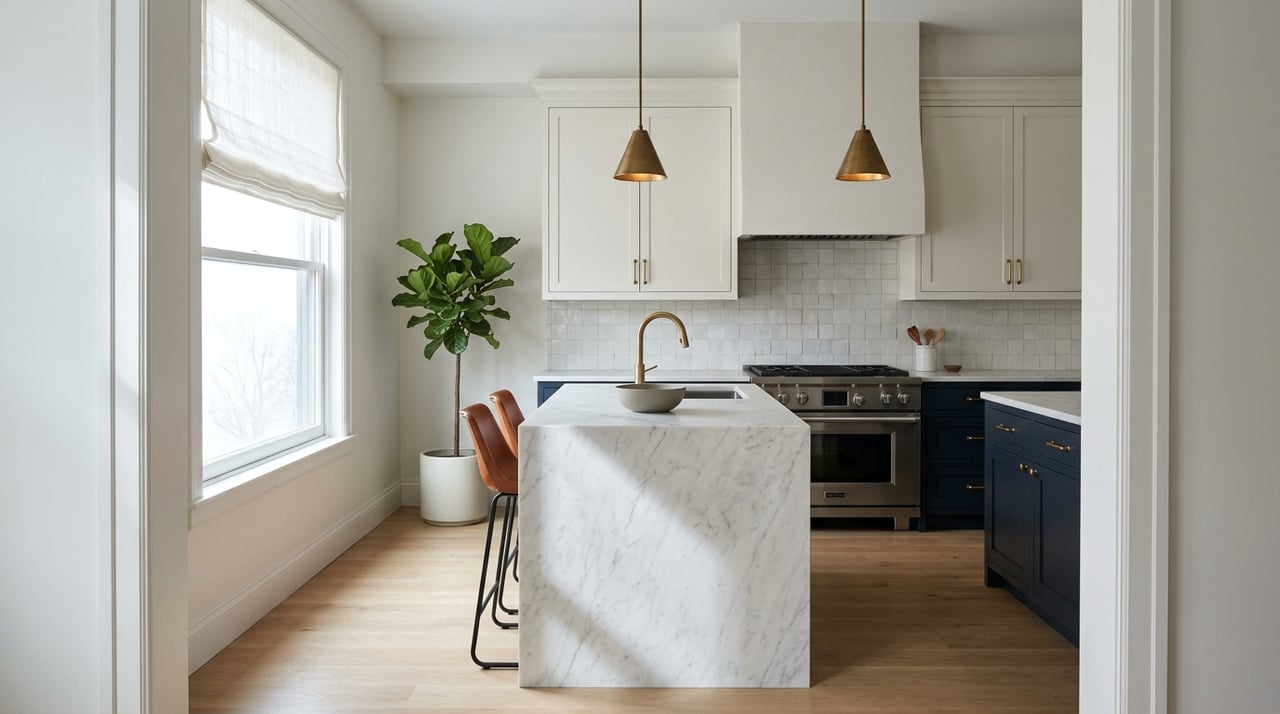
In practical terms, a renovated Pacific Heights home with polished kitchen and bath finishes, updated systems, and strong presentation can justify a meaningfully different list price than a similar but dated property. Redfin’s spring 2026 San Francisco feature data also supports the importance of finish quality, with features like custom cabinetry and gourmet kitchens ranking among the city’s stronger sale-to-list signals.
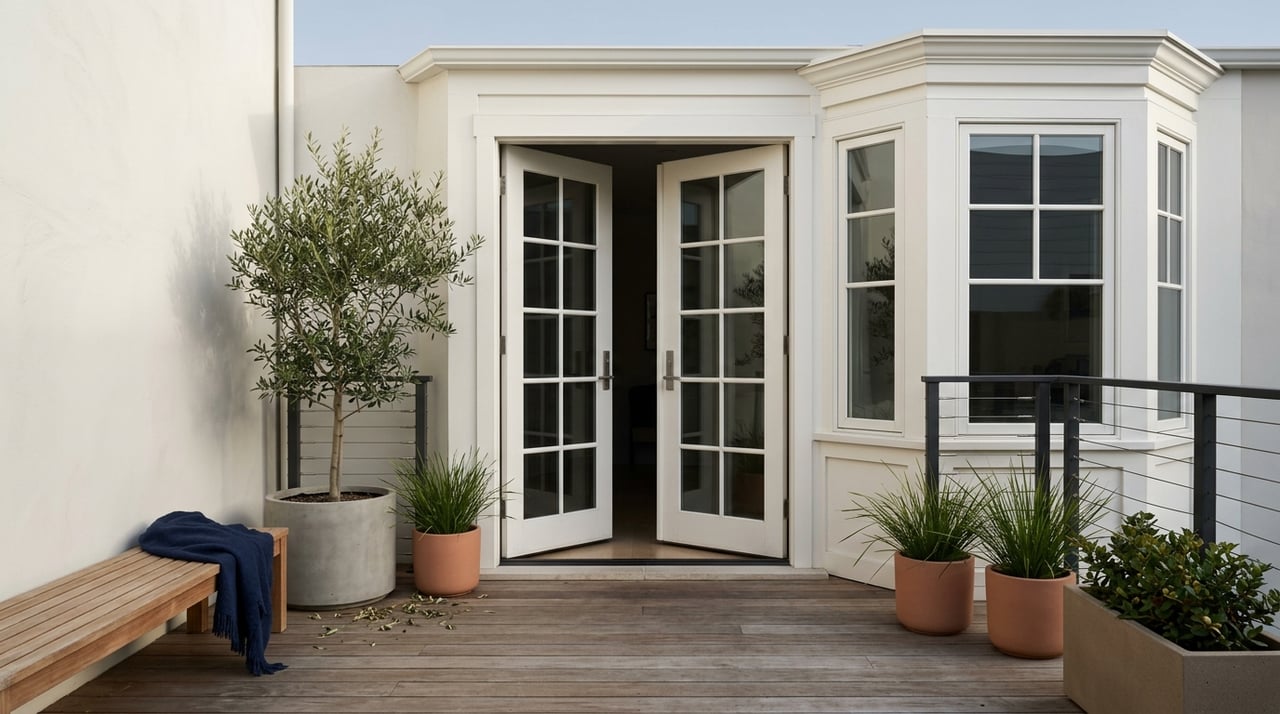
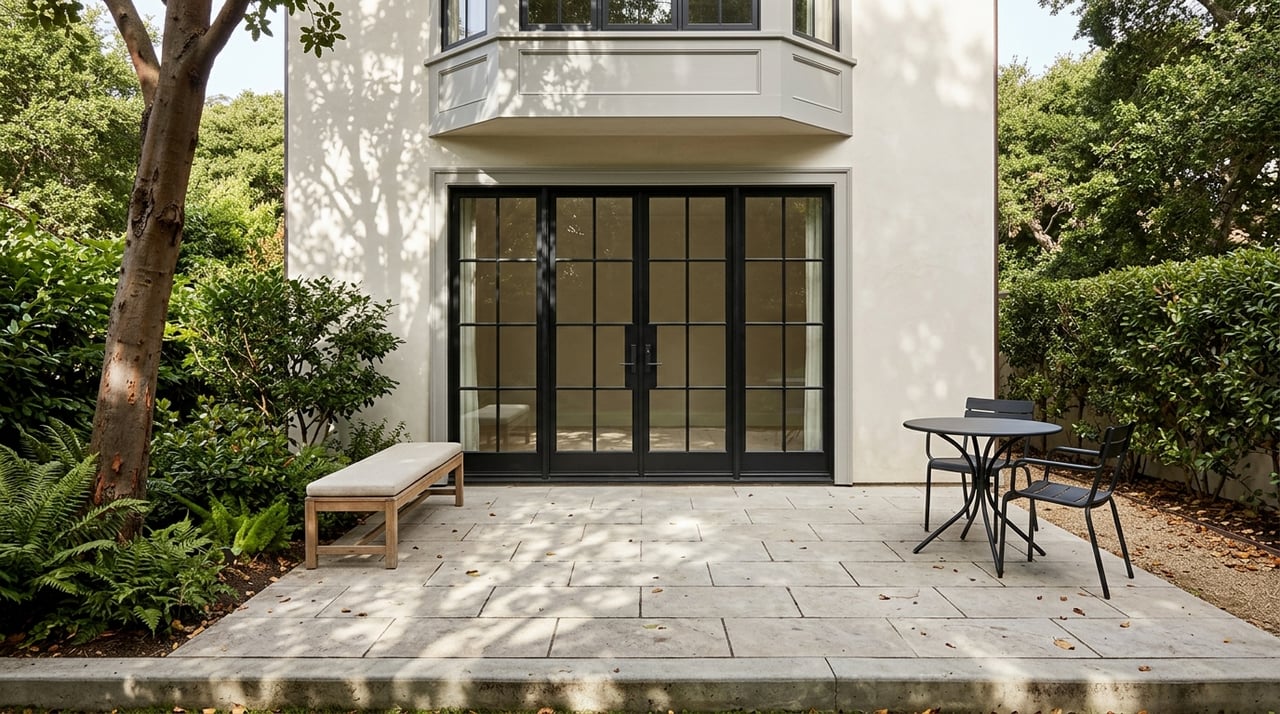
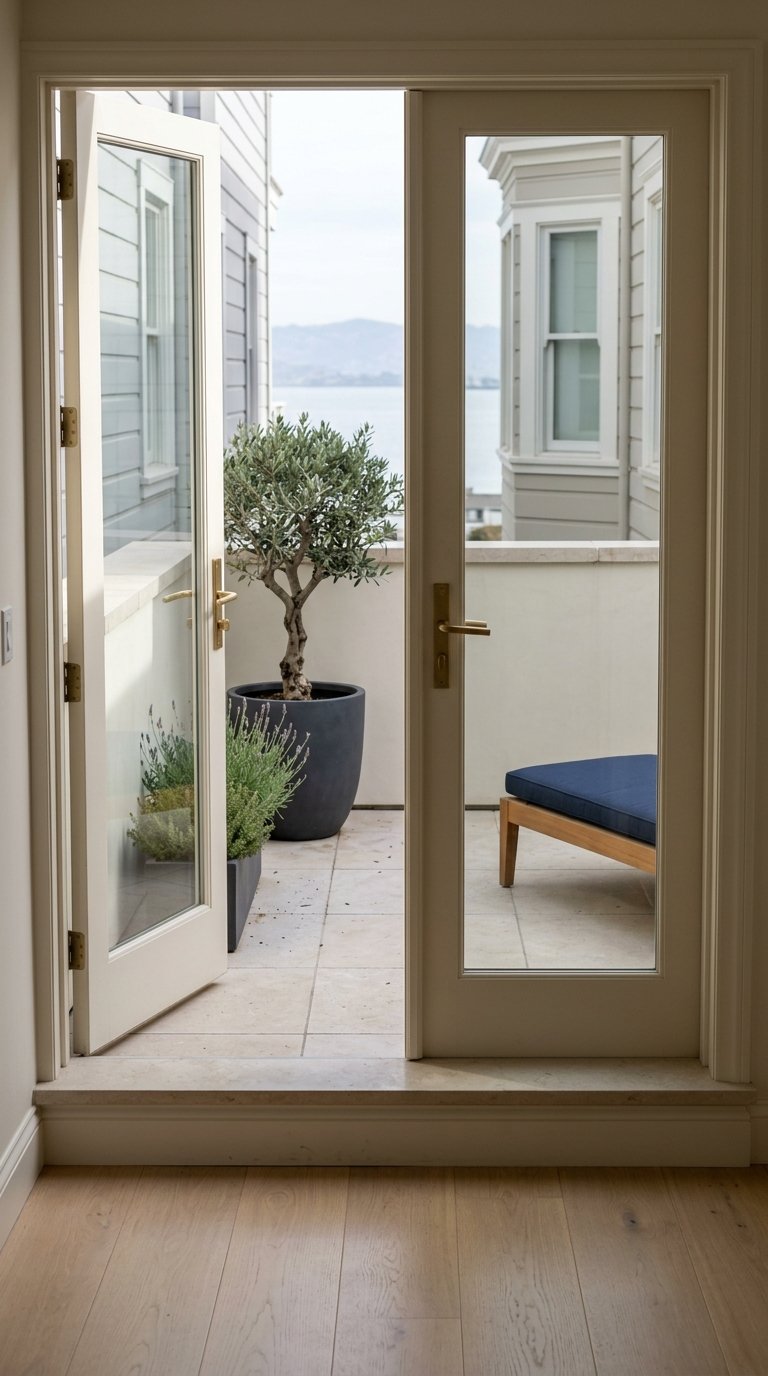
Outdoor space can add real pricing power, especially when it feels like an extension of the home. Redfin notes that patios, decks, outdoor kitchens, and fire pits can significantly improve appeal, and its San Francisco feature data shows backyard as one of the city’s stronger value signals.
In Pacific Heights, that does not mean every outdoor area carries equal weight. A small, functional terrace or landscaped yard may be more useful to buyers than a larger but awkward exterior space. Usability often matters just as much as size.
Parking remains an important practical feature in San Francisco. The Appraisal Institute includes car storage among the property elements appraisers evaluate, and buyers often assign meaningful value to secure, convenient parking.
In Pacific Heights, garage access, side-by-side parking, or well-integrated storage can help a home stand apart. This is especially true when competing listings offer less convenience.
Legal space matters. SF.gov states that building permits are required for construction in San Francisco, and its legalization guidance explains that an independent living space built without a permit may need to be legalized.
Because appraisers verify legal descriptions and public records, sellers should confirm permit history before setting a list price. Additions, finished lower levels, roof decks, and converted space can all affect value, but only if they are properly recognized. If you price a home based on space that raises permit questions, buyers may challenge the number later.
Pricing does not happen in a vacuum. It also depends on how much competition buyers have at that moment.
Supply in Pacific Heights has been constrained. San Francisco Planning’s 2025 housing inventory shows 0 units completed from new construction in Pacific Heights and a net gain of only 8 housing units. In a neighborhood with limited new supply and highly specific buyer demand, well-positioned listings can attract strong attention.
A Q1 2026 Pacific Heights market update using MLS-based data reported a median sales price of $2.78 million, average days on market of 29, inventory of 23, and 31.6% of closed sales above $5 million. Together, these figures reinforce that Pacific Heights remains a high-value, low-supply market where pricing precision matters.
Many sellers think the winning strategy is to start high and negotiate down later. In a market like Pacific Heights, that can backfire.
Redfin’s March 2026 San Francisco County data shows a sale-to-list ratio of 113.7%, with 70.7% of homes selling above list price and 13.9% seeing price drops. Pacific Heights itself is even more competitive, which suggests buyers are responding to listings that feel well-positioned from day one.
A smart list price should respect the comps without killing momentum. If buyers see a number that feels disconnected from recent sales or unsupported by the home’s condition and features, they may wait, negotiate harder, or skip the property altogether.
Not every home in Pacific Heights should use the same pricing playbook. The best approach depends on what kind of asset you are bringing to market.
If your property offers standout views, high-end renovation, scarce scale, or exceptional design, pricing at the top end of the supported range may make sense. Buyers for unique homes often understand scarcity and may compete when the pricing still feels defensible.
The key word is defensible. Even a rare property needs a pricing story rooted in nearby sales, feature comparisons, and market reality.
If your property is appealing but not truly one-of-one, a slightly more competitive number may widen the buyer pool. More eyes can create more urgency, and more urgency can improve both price and terms.
This is especially important in a neighborhood where buyers are comparing details closely. A home with average views, older finishes, or permit questions may benefit from sharper pricing at launch rather than an aspirational starting point.
A winning result is not just about the list price. It is about your net proceeds, timing, and deal strength.
SF.gov states that San Francisco’s transfer tax is progressive and increases with value, reaching $30 for each $500 of consideration at $25 million or more. For higher-priced properties, that can materially affect your bottom line.
SF.gov also notes that Proposition 13 generally resets assessed value upon change of ownership while limiting annual assessment increases to 2% or inflation, whichever is lower. While buyers and sellers may each view tax implications differently, it is another reason to think strategically about pricing, negotiation, and total deal structure rather than focusing only on the headline number.
If you are preparing to sell in Pacific Heights, this is a smart way to think about your pricing process:
In Pacific Heights, the best list price is rarely the highest number you can imagine. It is the number that tells a credible story, attracts qualified buyers, and gives you the strongest chance to maximize the outcome.
If you want to position your Pacific Heights home with both lifestyle polish and hard market logic, Steve Giannone can help you build a pricing strategy designed for today’s market.
Stay up to date on the latest real estate trends.
Get expert guidance tailored to your goals—whether you're buying, selling, or investing. Let's map out your next move with clarity and confidence.