What It’s Like Living on Russian Hill Steps Every Day
April 2, 2026
April 2, 2026
If you have ever wondered whether a Russian Hill stair street feels charming in real life or just looks that way in photos, the short answer is yes, but it comes with its own rhythm. Living here is less about pulling straight into a driveway and more about embracing hillside architecture, layered entries, and a quieter, tucked-away residential setting in the middle of San Francisco. If you are considering a home on one of these blocks, this guide will help you understand the day-to-day experience, the tradeoffs, and why so many buyers find the lifestyle worth it. Let’s dive in.
Russian Hill is shaped by its terrain, and that terrain defines the living experience. According to the San Francisco General Plan urban design guidance, the neighborhood’s low older buildings, taller slender structures, landscaping, and retaining walls all work together to reinforce the hill form and preserve views.
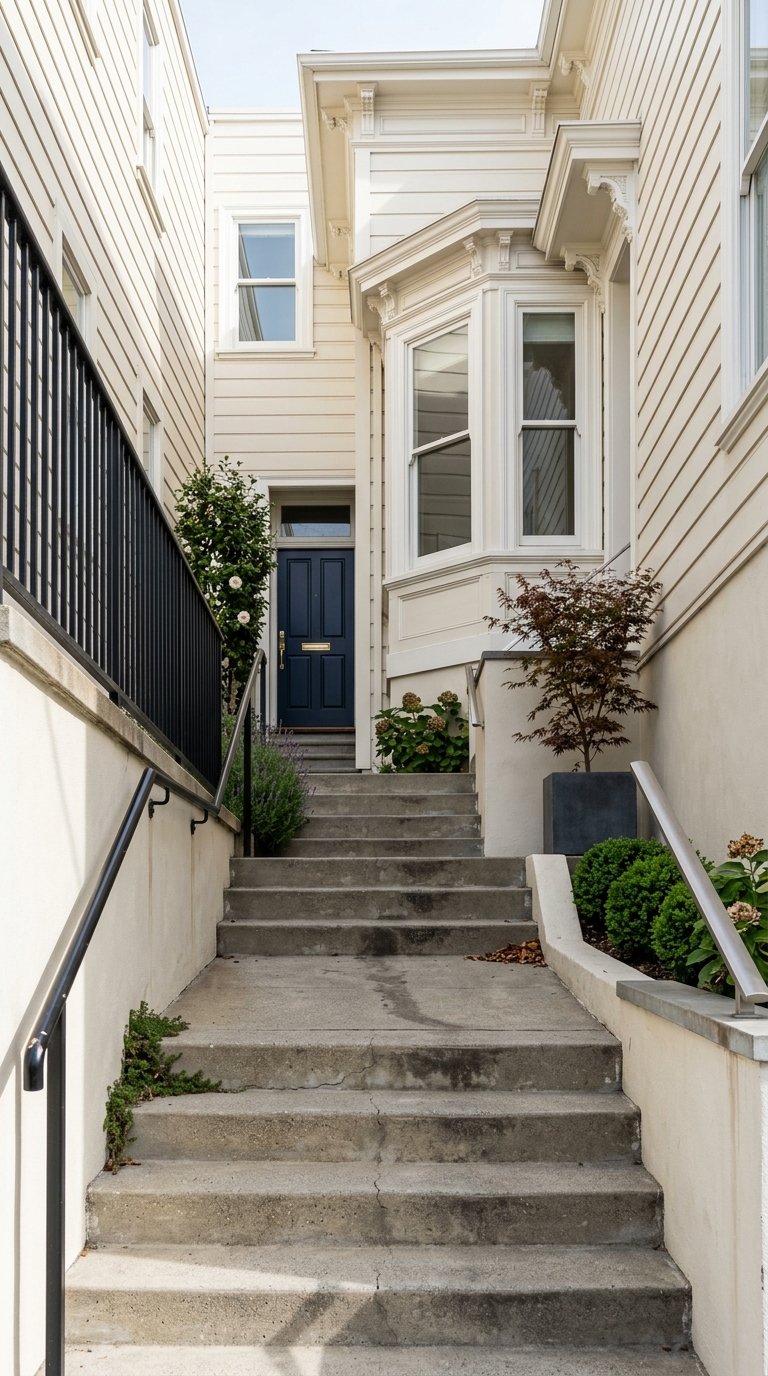
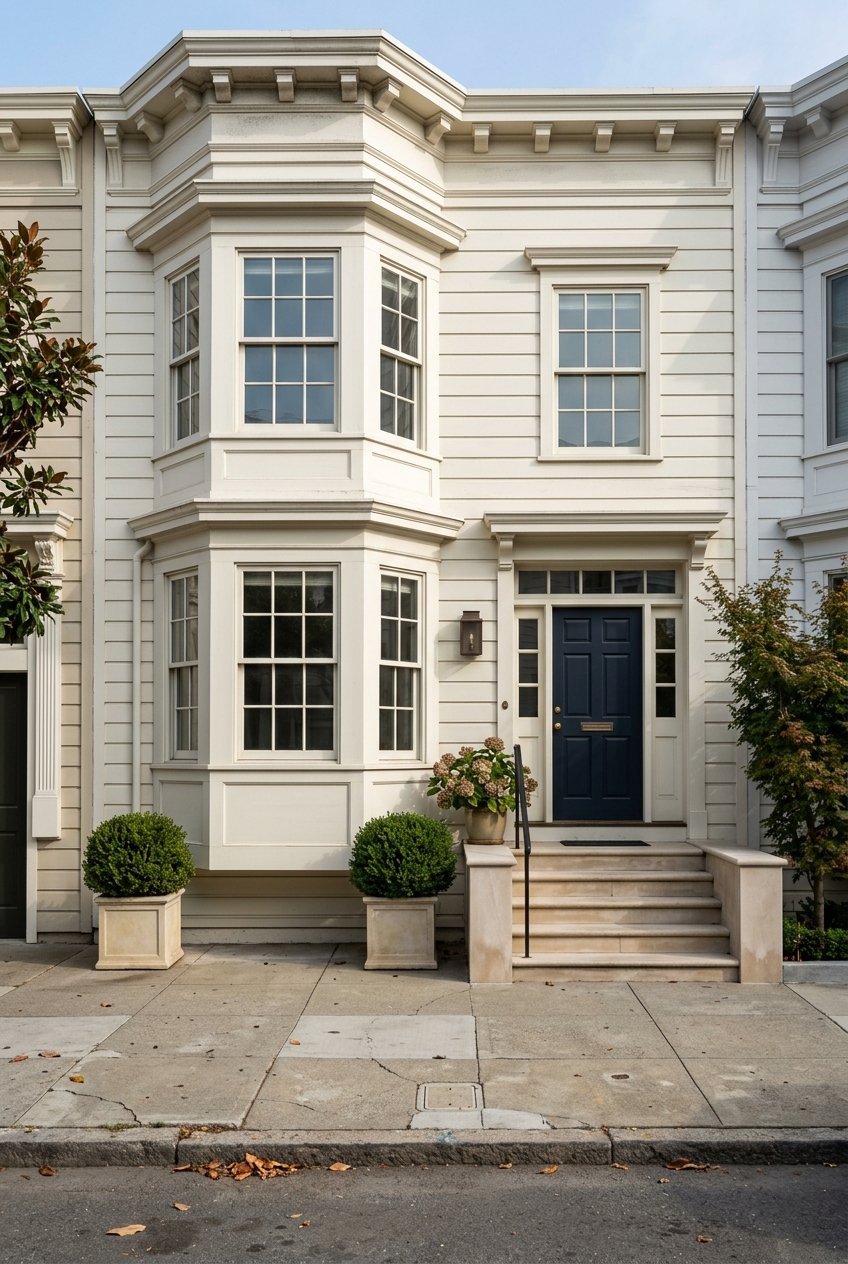
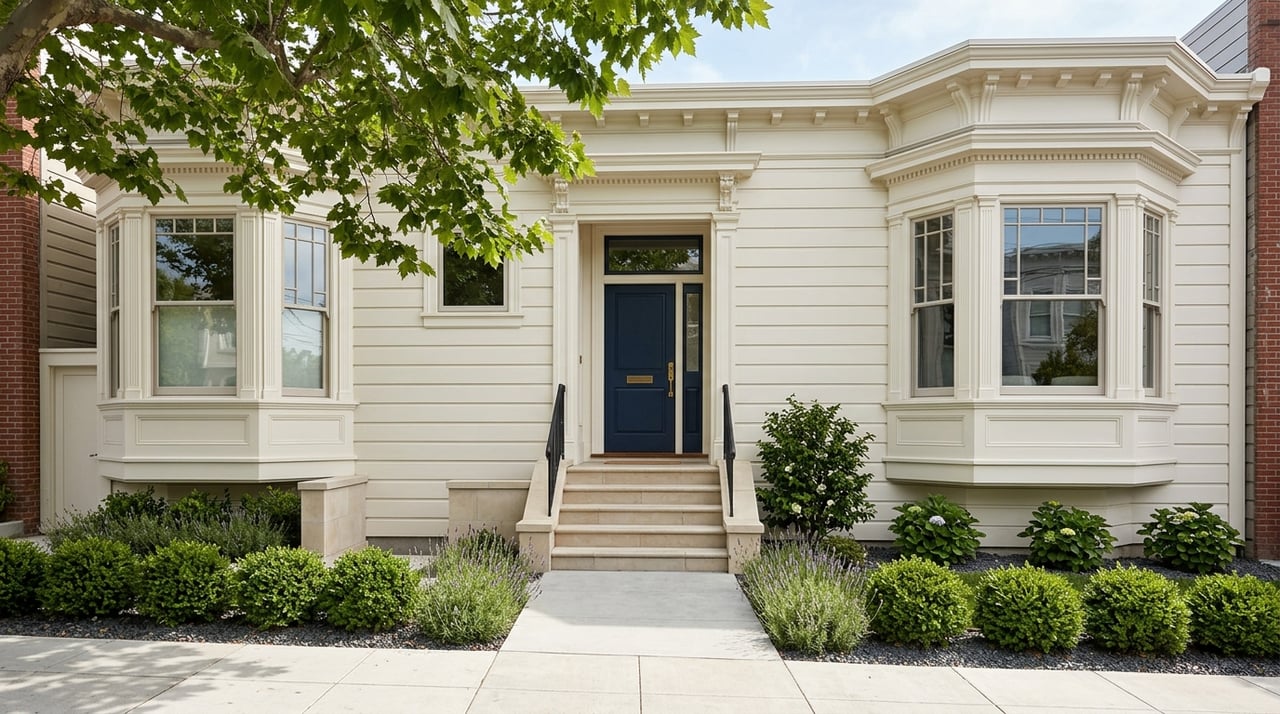
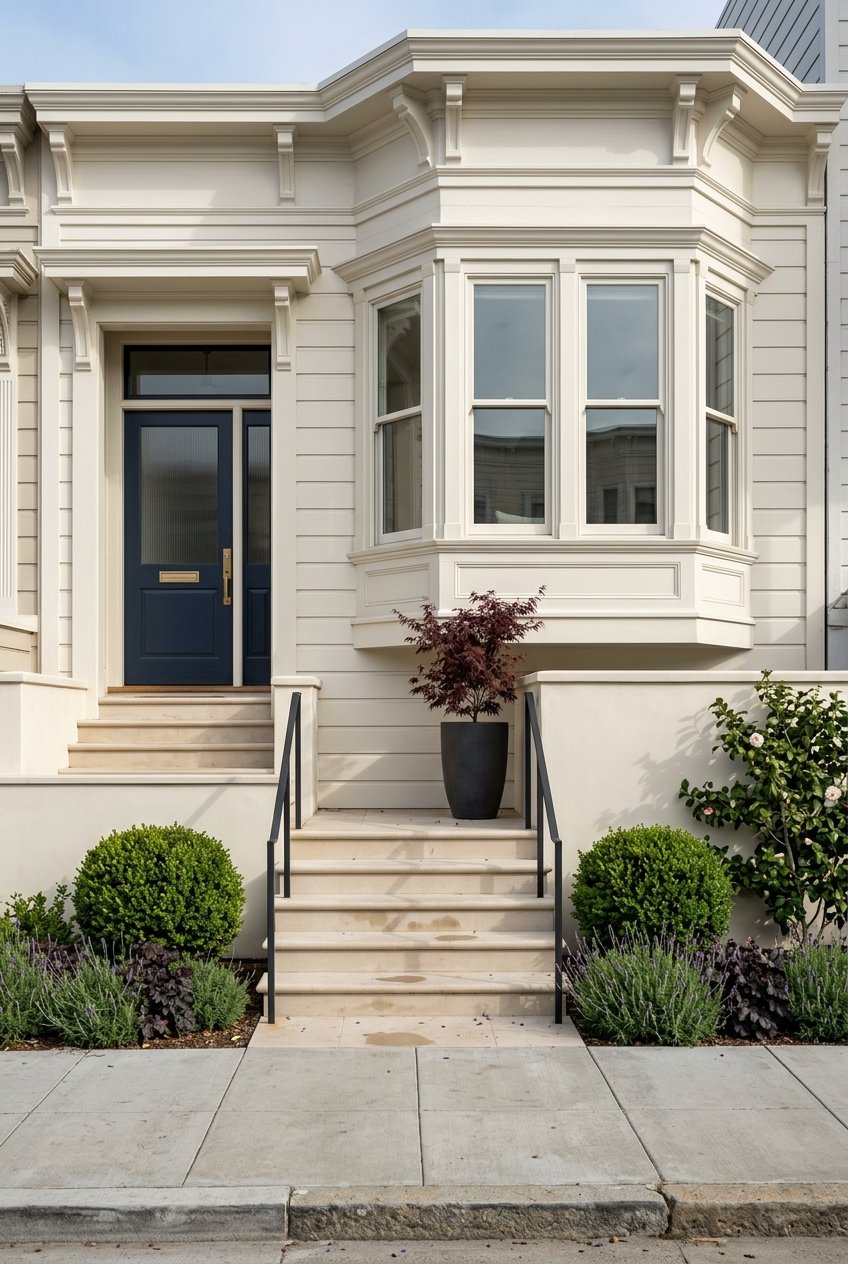
That means a stair street often feels more sculpted than a typical city block. Instead of a flat sidewalk and direct curbside approach, you may find terraced lots, stepped paths, retaining walls, ramps, and layered front entries that follow the slope.
A good example is Macondray Lane’s National Register description, which describes a mews-like public alley right-of-way with a village-like hillside setting. That language helps explain the mood of many Russian Hill stair-adjacent homes. They can feel private and residential, even while staying close to some of San Francisco’s most recognizable destinations.
The biggest lifestyle theme is seclusion within the city. San Francisco Travel describes Macondray Lane as tree-lined, secluded, and residential, and that captures the feeling many buyers are looking for in this part of Russian Hill.
In practical terms, you may hear less traffic than you would on a busier through street. The approach home can feel calmer and more intentional, with landscaping, stairs, and hillside design creating visual privacy that is unusual for such a central location.
This does not mean you are isolated. It means your immediate home environment often feels tucked away, while the wider neighborhood still gives you quick access to parks, dining pockets, and major San Francisco landmarks.
The stairs are not just a visual detail. They are part of how you live. On many Russian Hill stair streets, your front approach may involve walking up or down steps from the nearest curb access point rather than stepping directly from a parked car to your front door.
For many residents, that becomes part of the neighborhood’s appeal. The layered approach can make arriving home feel more private and more residential than a standard city block.
Still, it helps to be honest about your habits. Groceries, packages, pet routines, strollers, and larger items all require a little more planning when your entry is defined by elevation rather than convenience at the curb.
One of the first questions buyers ask is simple: how do you actually live on a stair street day to day? The answer is that you adapt your routines to the site.
For regular errands like groceries or package pickup, many residents simply build in a few extra minutes and carry items in smaller loads. For furniture, deliveries, or move-ins, planning matters much more.
According to the SFMTA loading and short-term parking guidance, loading zones are managed through signs and curb markings, and the agency also offers a temporary signage program that can reserve no-parking space for residential moves. If you are buying or selling a home on a stair street, coordinating these logistics in advance can make a major difference.
Parking in Russian Hill is best understood as something you manage proactively, not casually. Russian Hill sits within SFMTA Residential Permit Parking Area A, and the SFMTA snapshot for sampled Russian Hill blocks showed very high occupancy throughout the day.
That does not mean parking is impossible. It means you should expect strategy to be part of daily life if you own a car.
The SFMTA residential permit rules are also important to understand. A permit may waive posted time limits in the permit area, but it does not override the 72-hour rule, meter payment where required, or color-curb restrictions like tow-away, passenger loading, or commercial loading zones.
If you regularly host guests, service providers, or overnight visitors, it is smart to think through curb access and parking options early. On a stair street, convenience often comes from planning rather than spontaneity.
One reason stair street living works well for many residents is that you may not need to drive for everything. San Francisco Travel’s transit overview notes that two cable car lines run north-south to Fisherman’s Wharf with stops in Russian Hill, and Muni serves neighborhoods throughout the city.
That can soften the pressure around parking and reduce the need for daily car use. If your lifestyle already leans walkable or transit-based, a Russian Hill stair street may feel more natural than you expect.
For buyers relocating from more car-dependent areas, this is an important mindset shift. The neighborhood often works best when you think in terms of walking routes, transit connections, and strategic driving rather than door-to-door car convenience.
One of the clearest advantages of living here is how often the neighborhood rewards you visually. On Russian Hill, the hill itself is part of the experience, and nearby open spaces extend that feeling.
Francisco Park, a 4.5-acre park that opened in 2022, offers terrace views of the Golden Gate Bridge, Ghirardelli Square, Alcatraz, and the Palace of Fine Arts. It also includes ADA pathways, a community garden, a dog play area, and picnic space, which makes it useful for everyday routines as well as weekend downtime.
Fay Park adds another layer to the neighborhood experience. The terraced garden, stairs, ramps, and bay overlook give it the feel of a quiet retreat woven into the hillside.
Ina Coolbrith Park offers a similar reward in a smaller footprint. SF Rec and Park describes it as a little pocket of hidden San Francisco with views of the city and bay, which speaks directly to what many people love about this part of town.
Russian Hill has world-famous scenery, and that shapes the neighborhood without defining every block the same way. Lombard Street draws attention for its curves, landscaping, and views toward the Bay, Bay Bridge, and Coit Tower.
But living on a stair street can feel very different from standing on a tourist-heavy corridor. Your block may feel more residential, more visually sheltered, and more removed from the city’s busiest foot traffic patterns.
That contrast is part of the appeal. You get proximity to the energy and image of Russian Hill, while your home environment may feel quieter and more private on a daily basis.
Russian Hill stair street living often appeals to buyers who value character over convenience in the most conventional sense. If you appreciate architecture shaped by the hillside, layered approaches, strong visual identity, and a more tucked-away residential feel, this setting can be incredibly compelling.
It can also suit buyers who already enjoy walking and do not expect every errand to start with easy curbside loading. The lifestyle tends to reward people who see topography as part of the charm, not a problem to eliminate.
On the other hand, if your daily routine depends on constant car access, frequent heavy hauling, or effortless guest parking, it is worth looking closely at the specific block and entry conditions before you commit. On Russian Hill, even homes that are close together can live very differently depending on stairs, slope, and curb access.
Not all stair street homes function the same way. Before you buy, it helps to evaluate the property beyond the view and the charm.
Here are a few practical questions to ask:
These questions are simple, but they matter. A beautiful hillside home works best when the lifestyle fits the way you actually live.
If you are considering a home on a Russian Hill stair street, the right guidance can help you look past the postcard appeal and evaluate how the property performs in real life. That includes access, parking, neighborhood flow, and the long-term value of a truly distinctive setting. If you want a thoughtful, local perspective on Russian Hill living, connect with Steve Giannone to schedule a strategy call.
Stay up to date on the latest real estate trends.
Get expert guidance tailored to your goals—whether you're buying, selling, or investing. Let's map out your next move with clarity and confidence.