Leave a Message

By providing your contact information to Steve Giannone, your personal information will be processed in accordance with Steve Giannone's Privacy Policy. By checking the box(es) below, you consent to receive communications regarding your real estate inquiries and related marketing and promotional updates in the manner selected by you. For SMS text messages, message frequency varies. Message and data rates may apply. You may opt out of receiving further communications from Steve Giannone at any time. To opt out of receiving SMS text messages, reply STOP to unsubscribe.

Thank you for your message. I will be in touch with you shortly.

Marina vs Cow Hollow Condos: A 94123 Comparison

March 5, 2026

Torn between a Marina District condo and a Cow Hollow condo? You are not alone. Both sit in coveted 94123 and deliver exceptional walkability, lively retail, and quick access to the bay. Yet the building styles, parking realities, and price patterns differ in ways that will shape your daily life and long‑term value. In this guide, you will get a clear, side‑by‑side view so you can focus your search with confidence. Let’s dive in.

Marina vs Cow Hollow at a glance

How 94123 maps

ZIP code 94123 primarily covers the Marina District and Cow Hollow, with Pacific Heights and parts of Russian Hill close by. Neighborhood borders are informal, and locals often reference Marina for the bayfront blocks and Cow Hollow for the hillside streets south of Lombard and Chestnut. City resources frequently group these areas together for transit and neighborhood info, which reflects how residents move between them daily. For a city lens on the Marina area, see the SFMTA neighborhood page.

Walkability and retail streets

Both neighborhoods are highly walkable. Cow Hollow posts a Walk Score around 94, which classifies as a “Walker’s Paradise” for daily errands and dining choices. Check a representative area on Walk Score’s Cow Hollow page or a Marina intersection like Gough and Lombard to see how consistently strong scores run across blocks (Walk Score Marina example).

  • Marina: Chestnut Street is the hub for restaurants, boutiques, and cafes. Get a feel for the storefront mix on this Chestnut Street guide.
  • Cow Hollow: Union Street offers a concentrated stretch of boutiques, brunch spots, and local services. Fillmore, Polk, and Buchanan add more options within a short walk.

Waterfront and green space

If immediate waterfront access is your priority, the Marina has the edge. You are steps to Marina Green, Crissy Field and the Palace of Fine Arts, anchors that define the neighborhood’s outdoor lifestyle and pre‑war aesthetic. For context on the Marina’s history and architecture, see San Francisco Heritage’s overview. To visualize the bayfront setting and parks, review NPS waterfront maps. Cow Hollow sits a few blocks inland, but many streets still offer a short, pleasant walk to the same shoreline parks and amenities. Local guides often treat the Marina and Cow Hollow as a single walkable cluster for a day on the bay, as reflected in this neighborhood walking guide.

What condos look like

Marina building styles

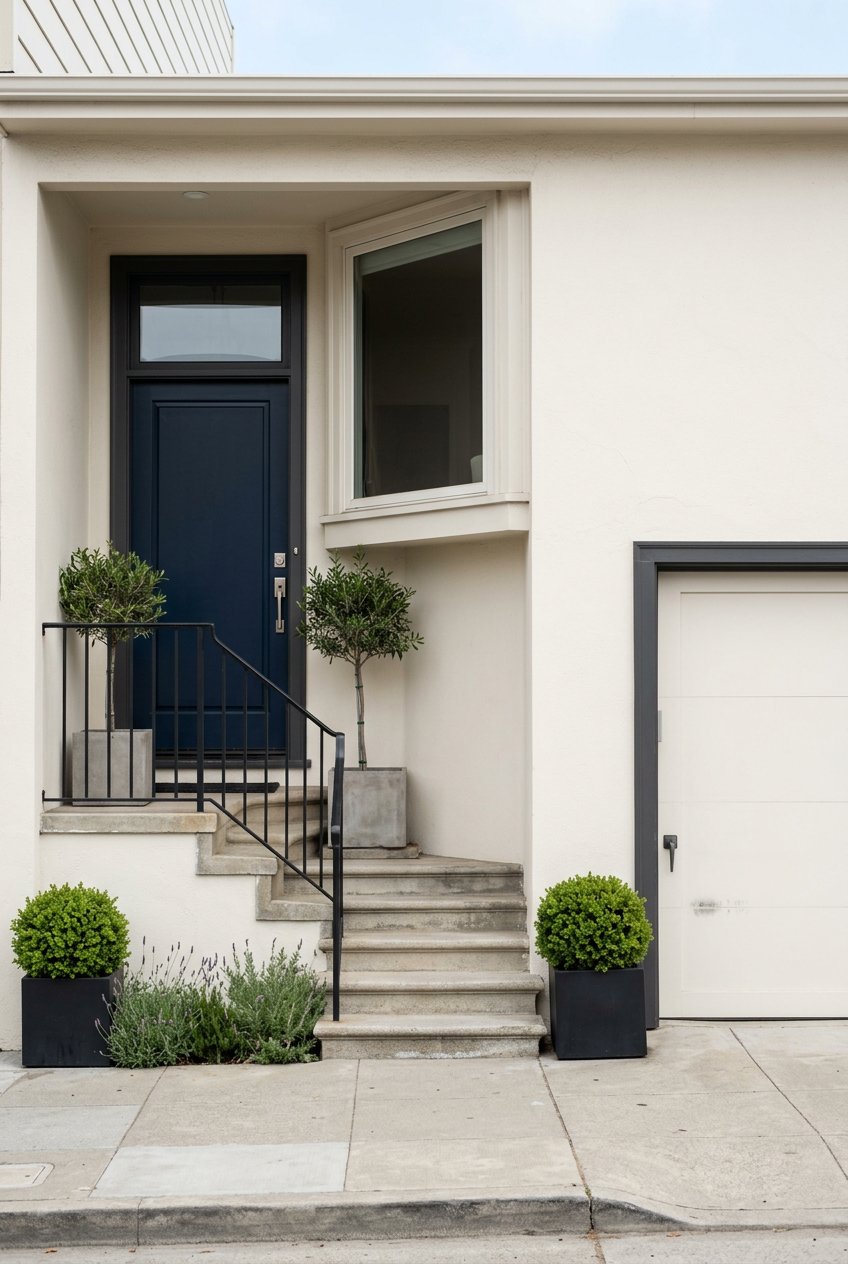
You will find a consistent pre‑war look on many Marina blocks. Expect 1920s to 1940s Mediterranean and Spanish‑Revival stucco buildings, along with low to mid‑rise pre‑war apartment houses that were later converted to condos. Select newer concrete and steel developments appear along main streets and bring elevators, modern systems, and higher amenity levels. These building types influence everything from noise and insulation to HOA dues and parking.

Cow Hollow building styles

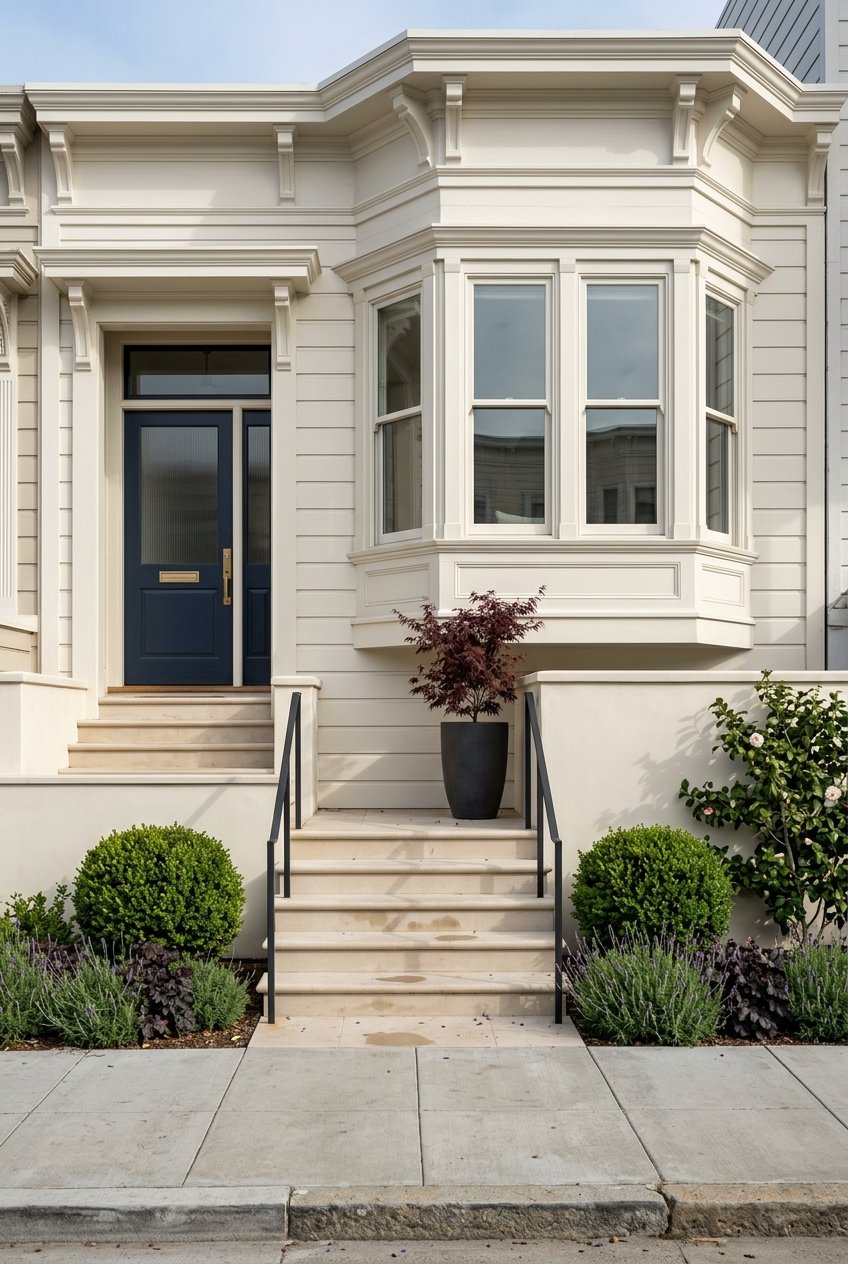
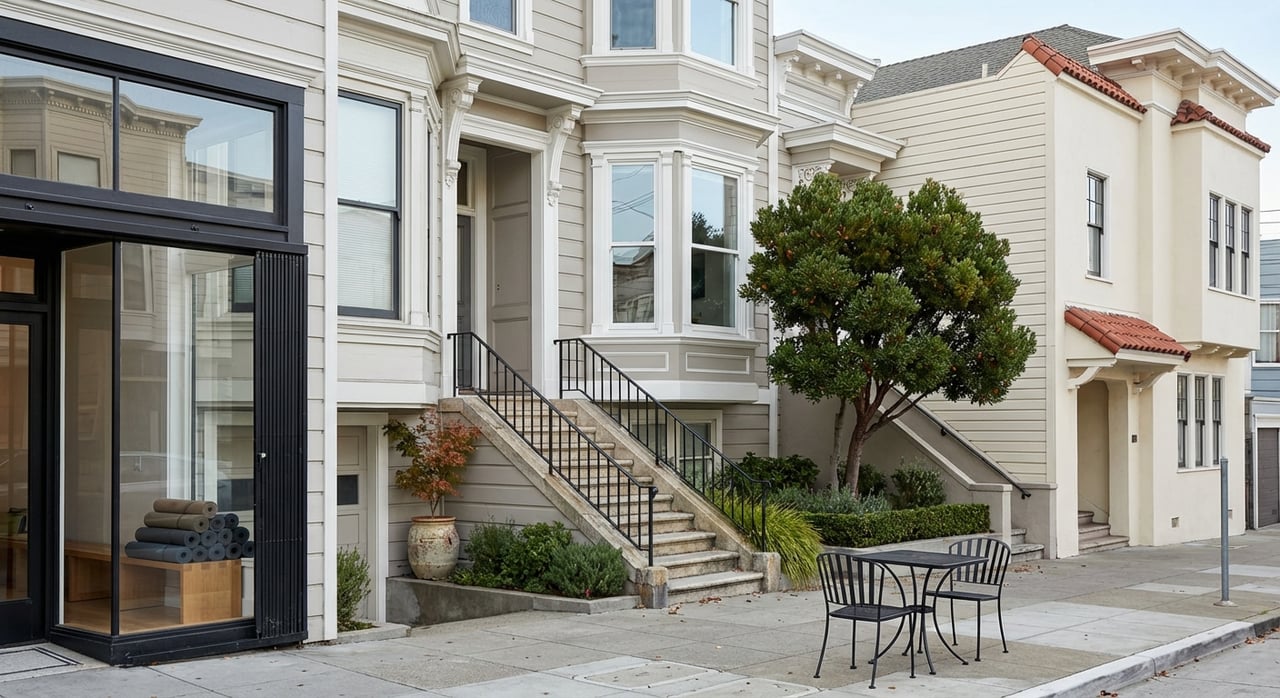
Cow Hollow’s housing mix leans into classic San Francisco architecture. You will see Victorian and Edwardian homes and flats, Art Deco‑era apartments, and boutique condo conversions on hillier streets with varied rooflines. Many buyers choose Cow Hollow for tree‑lined blocks, traditional floor plans, and the possibility of Bay or bridge outlooks from higher elevations. Infill projects exist, but the dominant feel is classic rather than glass‑and‑steel contemporary.

Parking, transit, and daily ease

Parking norms to expect

Off‑street parking is limited across both neighborhoods. In many pre‑war conversions, there may be no assigned parking. Where garages exist, you often see one space per unit, sometimes in tandem layouts in older buildings. Newer buildings are more likely to offer deeded side‑by‑side spaces, more storage, and EV‑charger readiness. Street parking near Chestnut and Union can be competitive, with meters and Residential Parking Permit zones on surrounding blocks. For the latest permit rules and maps, consult the SFMTA when you evaluate a specific address.

Parking checklist for buyers

Use this quick list when you review a listing or disclosure packet:

  • Is the parking space deeded or assigned by the HOA, and is it exclusive use?
  • Is the layout tandem or side‑by‑side, and does it fit your daily routine?
  • Is EV charging in place, a shared building feature, or feasible to add?
  • What are the Residential Parking Permit rules for your block and guest parking?
  • Is there secure storage for bikes, strollers, boards, or seasonal items?

Price bands in early 2026

Zip‑level medians in 94123 skew high because they blend single‑family homes with condos. Recent snapshots showed a median listing price near $2.8 million at the ZIP level in early 2026, and neighborhood medians around $3.0 million in Cow Hollow and about $2.36 million in the Marina, reflecting all home types. Condo prices typically slot below those single‑family‑weighted medians.

Here is the condo context you are likely to see in 94123:

  • Entry, studios and smaller 1‑beds: roughly 800,000 to 1.4 million. Views, parking, and fresh renovations push prices toward the top of the band.
  • Typical 2‑bed condos: roughly 1.2 to 2.0 million depending on size, floor, finishes, and parking.
  • Newer construction, amenity buildings, and larger 2 to 3‑bed units: often 1.5 to 3.0 million or more, with true luxury penthouses and fully renovated residences above that range.

HOA dues vary widely. Low‑amenity pre‑war flats can run a few hundred dollars per month, while elevator buildings with staffed amenities, modern systems, and shared utilities can reach well over 1,000 per month. Always underwrite the HOA budget, services, and reserves against the monthly carrying cost you target.

What drives price swings

Within a few blocks, values shift quickly based on four drivers:

  • Parking: Deeded, easy‑access parking carries a premium in both neighborhoods.
  • Views and exposure: Bay outlooks, higher floors, and corner light add measurable value.
  • Renovation and systems: Turnkey kitchens and baths, seismic and electrical updates, and quality windows matter for comfort and resale.
  • Building type: Pre‑war charm with lower dues appeals to some buyers, while modern concrete and steel with elevators draws others who value convenience and quiet.

Seismic and building health

The Marina was constructed on bay fill, and certain blocks are identified as liquefaction zones that saw damage in 1989. That history does not preclude buying, but it means you should confirm retrofit work and engineering details. Review seller disclosures and state or city hazard maps, and ask pointed questions about foundation type, soft‑story retrofits, and seismic upgrades. For a plain‑English primer on liquefaction, see this SFGate overview.

Due diligence to prioritize

  • Seismic: Was the building retrofitted, and is documentation available?
  • Envelope and systems: What is the age and condition of the roof, plumbing, electrical, and windows?
  • HOA reserves: Do current reserves align with near‑term capital needs? Are special assessments planned?
  • Use rules: What are the HOA’s policies on rentals, pets, and renovations?
  • Sound and privacy: In pre‑war buildings, ask about subfloor insulation and any rules on underlayment for hardwood.

Who each area fits best

You may prefer the Marina if

  • You want instant access to Marina Green, Crissy Field, and the bayfront.
  • Your daily routine centers on Chestnut Street dining, cafes, and fitness.
  • You like the cohesive pre‑war streetscape and select newer condo options.
  • You prize outdoor time, waterfront runs, and quick park access right out your door.

You may prefer Cow Hollow if

  • You love Union Street’s boutique energy with quieter, leafy side streets.
  • You prefer classic Victorian or Edwardian layouts with period details.
  • You are open to hillier blocks that may offer Bay or bridge outlooks.
  • You want an inland feel that is still a short walk to the waterfront.

How to compare listings

Side‑by‑side evaluation tips

Use this simple framework when two condos look similar on paper:

  • Building era and structure: Pre‑war wood‑frame versus newer concrete and steel. Factor in noise transmission, seismic work, and maintenance outlook.
  • Floor level and exposure: Compare natural light, outlooks, and privacy. Check for immediate wall adjacencies and elevator or trash room proximity.
  • Parking and storage: Deeded versus assigned, tandem versus side‑by‑side, stall size, and on‑site storage quality.
  • HOA profile: Monthly dues, services covered, reserves, recent assessments, and upcoming capital projects.
  • Systems and finishes: Electrical panel capacity, plumbing type, window quality, and scope of kitchen and bath upgrades.
  • Policies: Rental limits, pet rules, renovation approval timelines, and move‑in fees.

Next steps

Walk the exact blocks you are considering at different times of day. Count your steps to Chestnut or Union, test street parking on a weeknight, and check rideshare and transit times to your most frequent destinations. Pull the Walk Score and Transit Score for each address you shortlist, then weigh dues and parking against your monthly budget. If you want a precise view of condo‑only medians, recent comps, and building histories across 94123, connect for a tailored data pull and on‑the‑ground scouting.

Ready to compare Marina and Cow Hollow condos with clarity and speed? Schedule a strategy call with Steve Giannone to align the right building type, price band, and block with your lifestyle and long‑term goals.

FAQs

What are the key differences between Marina District and Cow Hollow condos?

  • The Marina offers immediate bayfront access and a cohesive pre‑war stucco look with select newer buildings, while Cow Hollow is slightly inland with Victorian and Edwardian flats, boutique conversions, and some hilltop outlooks.

Are Marina and Cow Hollow walkable for daily errands and dining?

  • Yes. Both rate as highly walkable, with Chestnut Street and Union Street serving as retail anchors and most daily needs within a short stroll.

Do condos in 94123 usually include parking?

  • Parking varies by building. Many pre‑war conversions have limited or no parking, while newer buildings more often provide deeded garage spaces; always confirm the configuration and any HOA rules.

How do HOA dues compare between pre‑war and newer buildings?

  • Pre‑war flats often have lower dues tied to basic services, while newer elevator buildings can run higher due to amenities, modern systems, and shared utilities.

Is seismic risk different between Marina and Cow Hollow condos?

  • Portions of the Marina sit on bay fill that is mapped for liquefaction, which makes seismic retrofits and engineering details important. Always review disclosures and verify building upgrades.

What price bands should I expect for condos in 94123?

  • As of early 2026, smaller 1‑bed and studio units often range from about 800,000 to 1.4 million, many 2‑beds land between 1.2 and 2.0 million, and newer or larger residences run from roughly 1.5 to 3.0 million or more depending on views, parking, and finishes.

Let’s Start Your Journey — Schedule a Strategy Call

Get expert guidance tailored to your goals—whether you're buying, selling, or investing. Let's map out your next move with clarity and confidence.