Pacific Heights Condos vs Homes: Which Fits Your Lifestyle
March 24, 2026
March 24, 2026
Choosing between a polished condo and a classic single-family home in Pacific Heights can feel like two great answers to the same question: how do you want to live in this neighborhood? You want comfort, convenience, and long-term value, and you also want clarity about trade-offs. In this guide, you’ll see how condos and houses compare on price bands, privacy, outdoor space, parking, HOA responsibilities, financing, taxes, and resale outlook. Let’s dive in.
As of February 2026, the Pacific Heights neighborhood shows a median sold price around the mid‑$1.7M range, according to the Redfin neighborhood market page. You can review the latest neighborhood medians and days on market on the Pacific Heights market overview.
To set expectations, it helps to think in bands rather than a single price:
Active listings show that smaller elevator condos can appear under $1M while full‑floor or luxury units reach multi‑million levels. Browse current inventory on Pacific Heights condos and listings to see the mix and how prices overlap with some smaller single‑family homes.
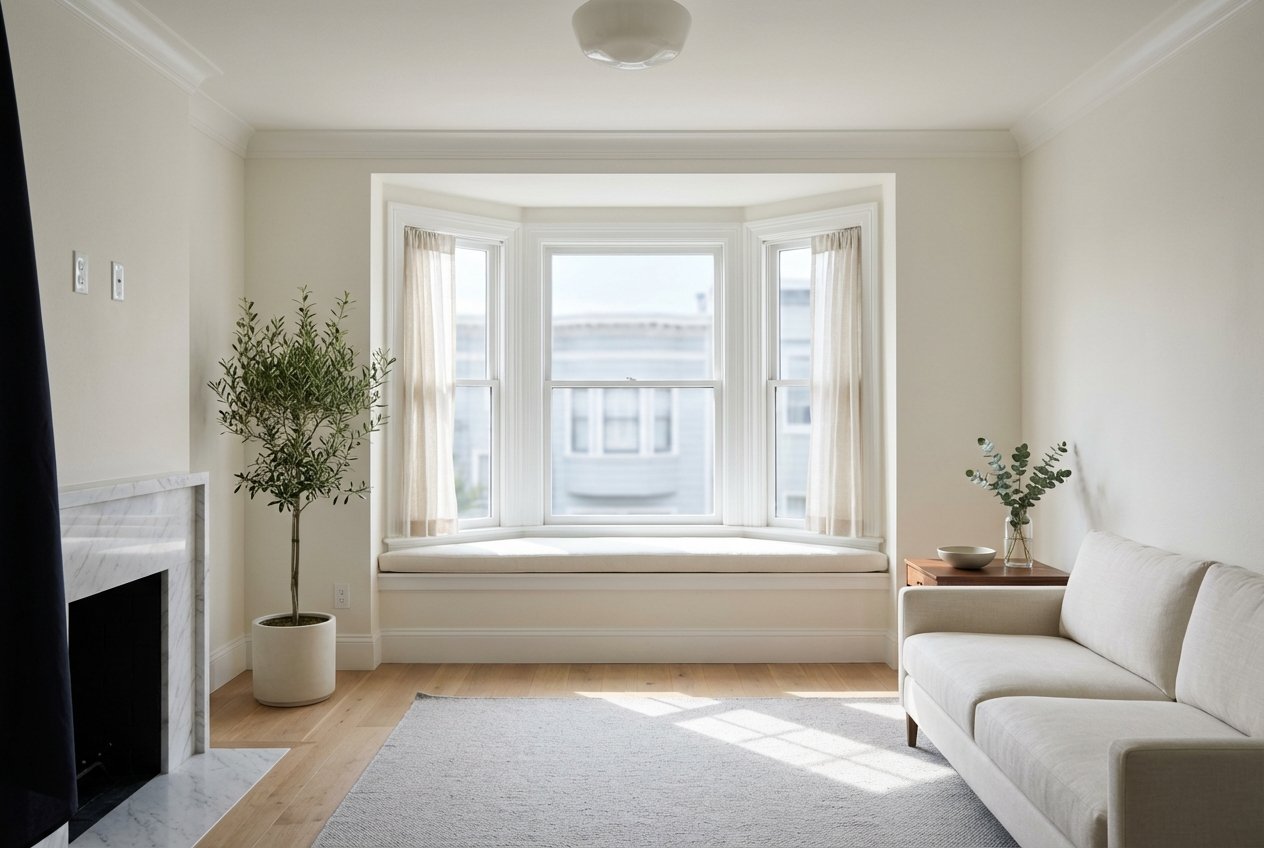
Single‑family homes usually deliver more privacy with a separate entrance, multi‑level layouts, and internal stairs that create natural zones for work and life. Many Pacific Heights condos are spacious, period‑style full‑floor flats that feel house‑like, yet you still share hallways and building access. If privacy is a top priority, look for townhouse‑style or full‑floor condos.
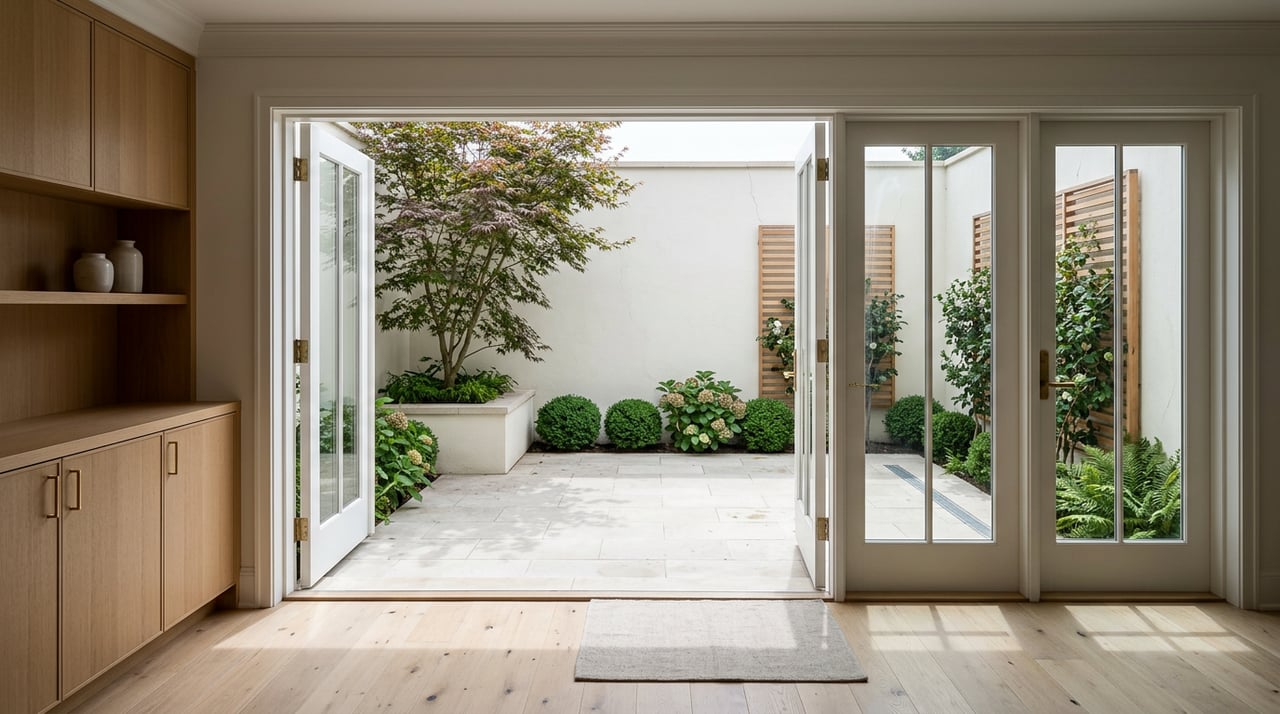
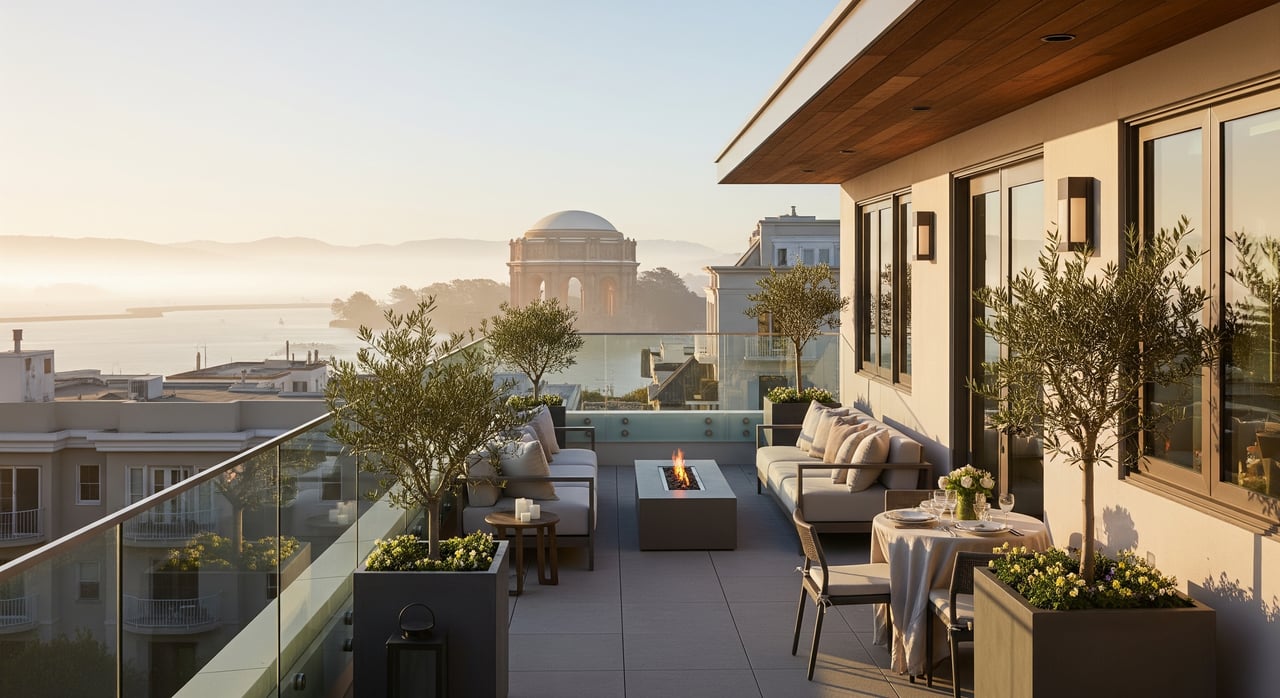
Houses often include a private garden or terrace, which is ideal if you host or want more room for relaxation. Condos may offer balconies, deeded terraces, or shared roof decks, so verify what is private versus common. Nearby public open spaces like Alta Plaza Park and Lafayette Park serve as neighborhood anchors and a practical complement to limited private outdoor space; explore neighborhood park features through SF Parks resources.
Street parking in Pacific Heights is limited and valuable. Some condos include deeded garage spaces or assigned parking, and many single‑family homes offer a garage or carriage space. Always confirm whether a listing includes deeded parking, assigned parking, or street parking in the property details.
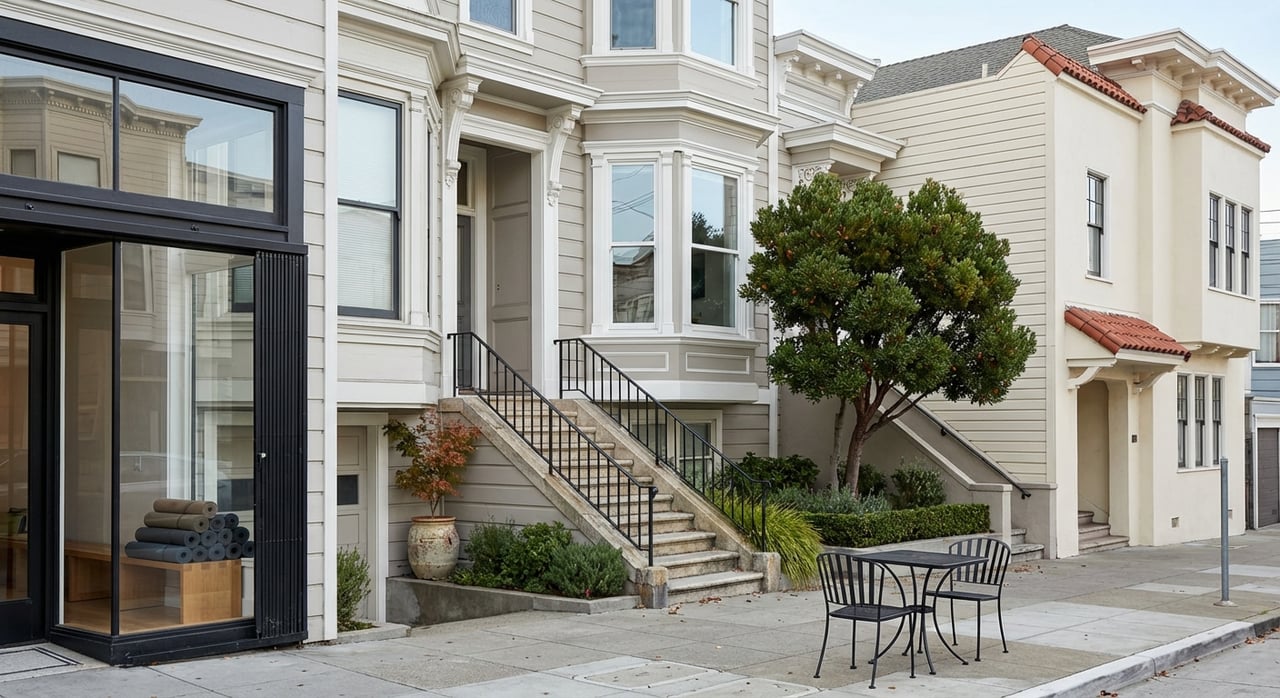
If you prefer to step out for coffee, fitness, and daily errands, units near Fillmore and Union retail corridors can suit a walk-first lifestyle. Homes on quieter blocks may deliver a calmer residential feel. Use a mix of on‑the‑ground tours and the Pacific Heights neighborhood market page to understand micro‑differences by block.
Condos trade some privacy for convenience. HOA dues typically cover building insurance, common‑area maintenance, reserves, and sometimes building staff or amenities. Dues vary widely in Pacific Heights, from a few hundred dollars per month in boutique buildings to much higher in full‑service or historic properties. Listing pages usually itemize HOA coverage, parking, and any notable building features on the active condos page.
Most condominium associations in California follow the Davis‑Stirling Common Interest Development Act, which sets rules for disclosures, reserves, meetings, and records. Before you offer, ask for and review association documents. You can reference the statute here: Davis‑Stirling Act overview.
For many frequent travelers, a condo’s shared maintenance model can be appealing. For owners who want control over improvements and outdoor space, a house usually offers a better fit, albeit with more hands‑on upkeep.
In higher‑cost Bay Area neighborhoods, many purchases require jumbo financing. The FHFA’s 2026 baseline conforming limit is $832,750, and high‑cost ceilings reach $1,249,125. Review the latest thresholds on the FHFA conforming loan limits announcement, and check county‑specific limits with your lender.
Condo financing can include project‑level eligibility rules for some programs, which may influence down payment and loan options. For higher‑price Pacific Heights condos, buyers often use conventional or jumbo loans. If you are exploring alternative structures, Tenancy‑in‑Common (TIC) ownership is a long‑standing San Francisco option, but financing is specialized; start early with lenders familiar with TICs and review guidance from SF.gov on TIC units.
For property taxes, California’s Proposition 13 limits the base property tax rate to 1 percent of assessed value plus voter‑approved debt and generally caps annual assessment increases at up to 2 percent unless ownership changes or there is new construction. Learn more about assessments through the SF Assessor resources. This framework affects your long‑term carrying costs whether you choose a condo or a house.
In Pacific Heights, limited supply of well‑located single‑family homes can support premium pricing and strong demand from buyers who prioritize privacy and space. Condos may draw a broader buyer pool that includes professionals, downsizers, and pied‑à‑terre buyers, but resale depends on the building’s governance, reserves, and maintenance record. To gauge expected time on market and pricing power, compare recent sold comps and days on market on the neighborhood market page and refine with block‑level MLS data.
Current live listings in Pacific Heights illustrate the range: entry condos appear around the high‑$700Ks, mid‑market full‑floor flats and larger units sit in the low‑to‑mid millions, and luxury properties command multi‑million prices. You can scan HOA dues, parking details, and outdoor features on the active condos page. The overlap is real. A high‑end condo can price near or above some smaller single‑family homes, which makes layout, privacy, and outdoor space key tie‑breakers.
Many buyers choose Pacific Heights for a balanced city lifestyle. Units near Fillmore and Union corridors put dining, fitness, and services close by, while blocks around Alta Plaza Park and Lafayette Park offer everyday escapes and skyline views. If a private yard is not essential, these parks can act like your extended backyard. Explore local park features via SF Parks, then test‑drive a few daily routines during showings to confirm the right fit.
There is no wrong answer between a Pacific Heights condo and a house. The right choice aligns your daily routine with ownership responsibilities, financing comfort, and long‑term plans. Start with price bands, weigh privacy and outdoor needs, then use HOA health and comps to sharpen the decision.
If you want a tailored plan that blends lifestyle goals with underwriting clarity, connect with Steve Giannone to review comps, HOA docs, financing paths, and on‑the‑ground opportunities.
Stay up to date on the latest real estate trends.
Get expert guidance tailored to your goals—whether you're buying, selling, or investing. Let's map out your next move with clarity and confidence.