Thinking about selling your Cow Hollow condo for a premium price? In a small, high‑demand neighborhood, little details like daylight, parking, and HOA health can move the needle on value. You want a clear plan that balances design, timing, and disclosures so buyers feel confident and motivated. This guide gives you a step‑by‑step approach tailored to Cow Hollow, with what to do and when to do it. Let’s dive in.
Cow Hollow market context
Cow Hollow sits among San Francisco’s luxury neighborhoods, which means pricing can shift with small changes in inventory and quality. Public neighborhood indices often vary because the sample size is small and property types differ from month to month. The takeaway for you is simple: condition, natural light, view lines, and parking can have an outsized effect on price in this micro‑market. For broader context on luxury trends citywide, review recent reporting on high‑end neighborhoods in San Francisco’s north side corridors like Pacific Heights and nearby areas in the San Francisco Chronicle.
What buyers pay a premium for
Natural light and views
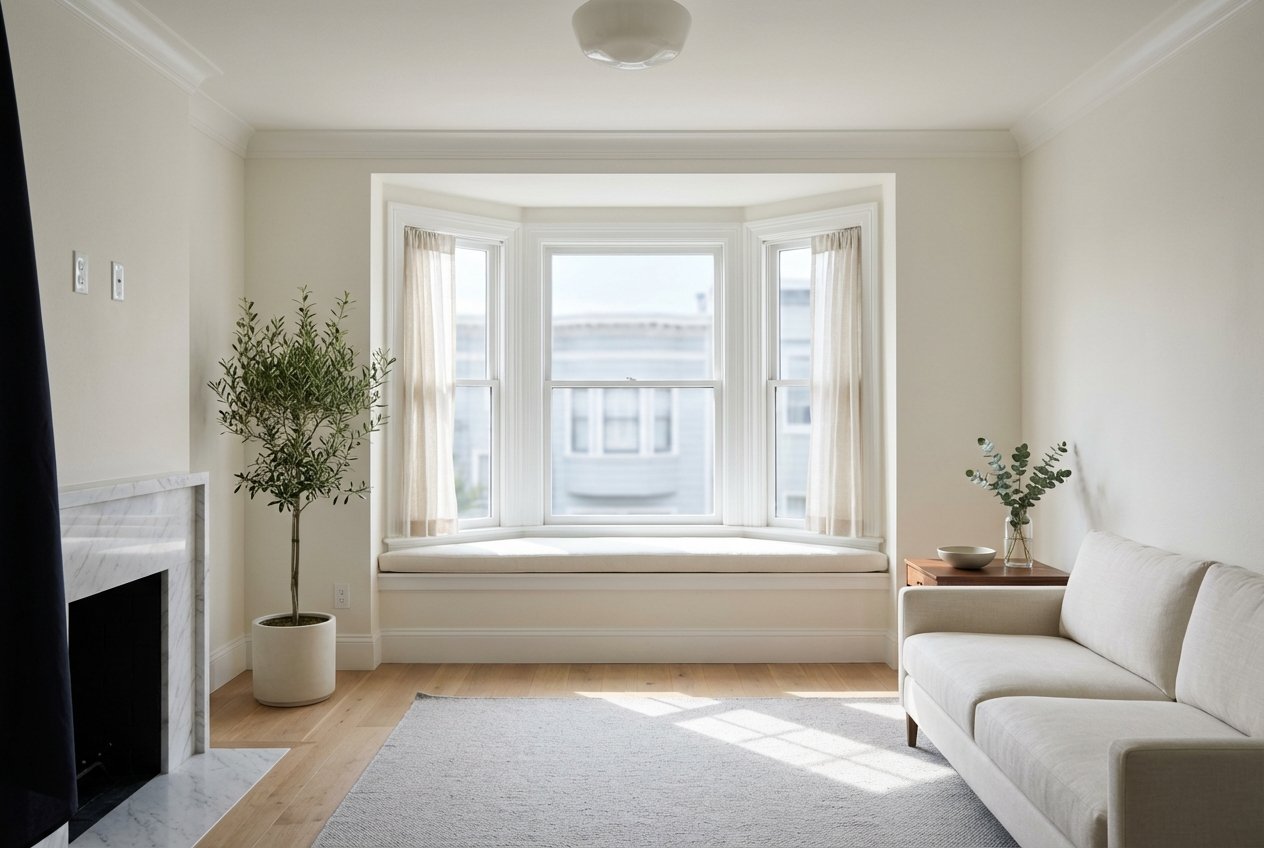
Units with strong southern or western exposure and clear sightlines carry a premium. Photograph the living room and primary bedroom at peak daylight and note the unit’s orientation in your materials. Keep window treatments light and consistent to maximize brightness.
Outdoor space and usable square footage
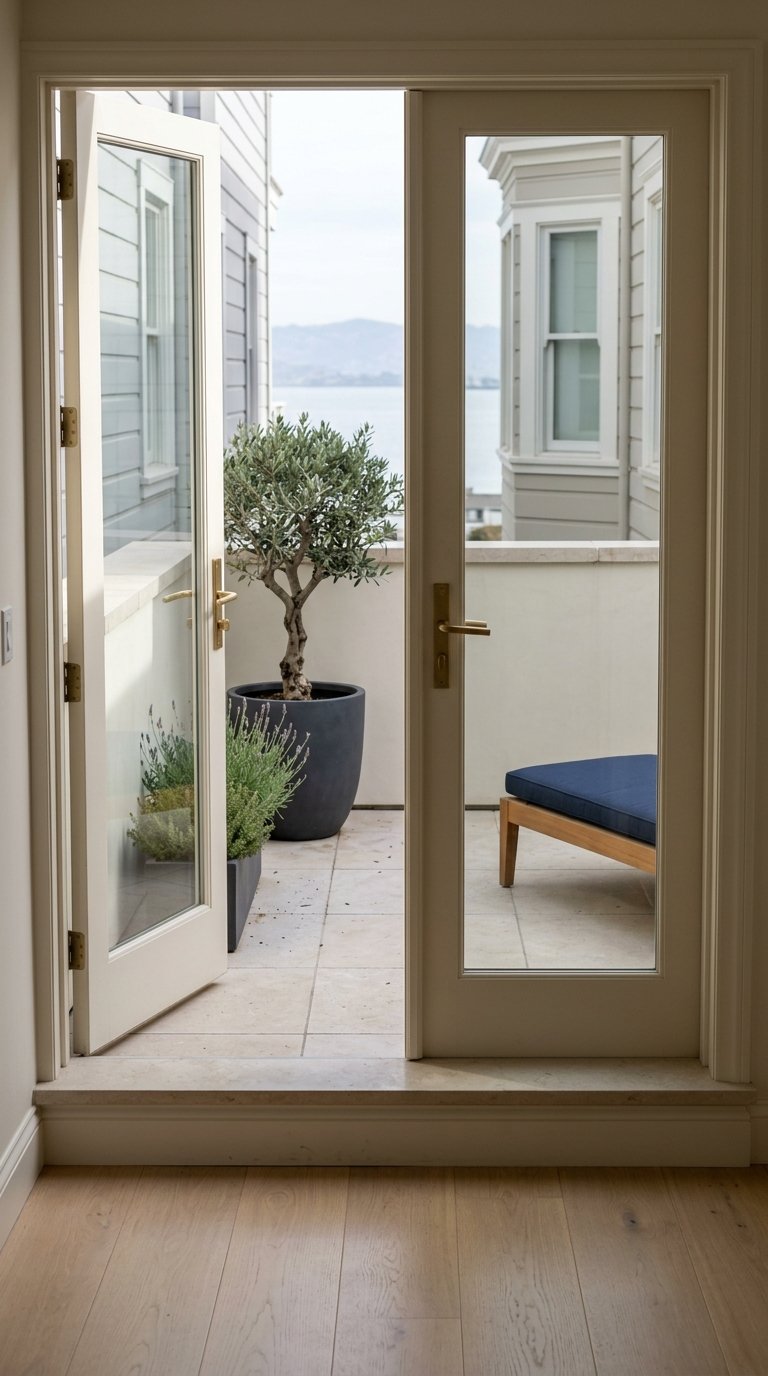
Balconies and terraces are not universal in San Francisco condos, so a usable exterior can lift perceived value. Confirm the balcony surface condition, railing stability, and egress. Include any permitted use limits from the HOA in your disclosure packet.
Parking, storage, and in‑unit laundry
Secure parking and storage solve real day‑to‑day needs in a dense neighborhood. Confirm deeded or assigned parking details, guest policies, and storage bin numbers, and highlight in your marketing. If you have reliable alternatives, document them clearly.
Updated kitchen and primary bath
Tasteful, neutral upgrades in the kitchen and primary bath tend to deliver strong returns. Focus on function and lighting rather than trend chasing. Simple swaps like hardware, faucets, and under‑cabinet lighting can refresh the space quickly.
HOA health and near‑term assessments
Buyers underwrite the building as much as the unit. Order and review the resale packet early, including budget, reserve study summary, and any special assessments. Civil Code requirements for HOA resale disclosures are summarized here: California Civil Code §4525.
Building condition and permits
Older multi‑unit buildings may have seismic or retrofit history that buyers and lenders will want to verify. Pull permit records and resolve open questions before listing. You can begin with resources from the San Francisco Department of Building Inspection.
Your 6–18 month prep plan
This phased approach helps you invest where it counts and hit the right launch window.
Phase A: 6–18 months out
- Order the HOA resale packet right away and review CC&Rs, bylaws, current budget, reserve study summary, insurance declarations, 12 months of minutes, and any approved assessments. California law outlines what must be included in Civil Code §4525.
- Ask for a pricing strategy grounded in building‑specific comps. Public indices are directional, but recent MLS comps in your building and adjacent properties are what buyers and appraisers use.
- Decide on scope: cosmetic refresh or permit‑level work. If you need permitted mechanical or structural updates, allow time for HOA approvals and DBI processing. Start with the SFDBI to confirm permit history.
Phase B: 3–12 months out
- Declutter, deep clean, and depersonalize. Agent and NAR guidance consistently rank this as a top value move. See staging insights from the National Association of REALTORS.
- Neutral paint in light tones. It brightens rooms and photographs well, often with one of the best returns on spend.
- Quick kitchen/bath refresh. Update hardware, faucets, lighting, and grout to modernize without a full remodel.
- Lighting and window treatments. Use consistent LED color temperatures and remove heavy drapery to boost daylight.
- Flooring tune‑ups. Refinish wood where worn and repair transitions for a unified look.
- Safety and small systems. Confirm smoke and CO detectors, water‑heater strapping, and visible mechanicals meet code expectations.
Practical note: In San Francisco, targeted cosmetic work plus strong staging and photography often outperforms a late‑stage remodel. NAR research shows that staging can reduce time on market and help buyers visualize the home. If you want a cost‑benefit perspective, review neutral third‑party context on staging ROI from Investopedia.
Phase C: 2–6 weeks out
- Professional photography and a virtual tour. Time the shoot to the best daylight for your exposure and any view corridors. NAR highlights how professional visuals increase online engagement in its staging resources.
- Strategic staging. Prioritize the living room, primary bedroom, and kitchen. Use scaled furniture, keep sightlines open to windows, and add mirrors to amplify light. If you use virtual staging, disclose it per MLS rules.
- Assemble a clean disclosure folder. Include the Transfer Disclosure Statement, permits, HOA packet, recent inspections, and invoices for work performed. California’s disclosure rules for the TDS are outlined in Civil Code §1102.
Inspections and disclosures that build trust
Clear, early information reduces renegotiation risk and increases buyer confidence.
- Transfer Disclosure Statement (TDS). Most condo sellers must provide a TDS under California law. If an inspection reveals a material issue, you must disclose it. See Civil Code §1102.
- Natural Hazard Disclosure (NHD). California requires disclosures on mapped flood, fire, and seismic zones. Order this with your disclosure packet so buyers see it early in the process.
- Pre‑listing inspections. At minimum, consider a general home inspection and a WDO/termite inspection using state‑prescribed reporting standards. For WDO rules and forms, review guidance from the California Structural Pest Control Board summarized here.
- Plumbing and sewer scope. If the building is older or there have been past backups, a sewer or stack review can help. San Francisco owners are responsible for private laterals even where the City maintains mains, per the SFPUC’s guidance on private laterals.
Staging and photography that sell Cow Hollow condos
Buyers here reward light, circulation, and a connected living‑dining experience. Focus your staging budget on the top three rooms for impact. Use soft textures, a restrained palette, and scaled pieces that widen walkways.
- Anchor the living area with a low‑profile sofa and a leggy coffee table to preserve sightlines.
- Use neutral bedding and a light rug in the primary bedroom to reflect light.
- In the kitchen, declutter all surfaces and add warm task lighting under cabinets.
Plan your shoot for the time of day that best complements your exposure and any view corridors. Professional visuals help listings earn more views and longer time on page, which often leads to more showings. See NAR’s summary of staging and visuals as listing performance drivers in its staging resources.
KPIs to watch after launch
Measure your first two weeks closely and adjust fast if needed.
- Online listing views and time on page (pro photos and tours should lift both).
- Showings per week (you want strong traffic across the first two weekends).
- Days on market relative to recent nearby comps.
- Sale‑to‑list price ratio.
If engagement lags, refine your price position, enhance copy, add twilight photos to feature views, or stage an additional space like a den or office niche.
Quick timeline checklist
- Order and review HOA resale packet, including budgets and reserve study.
- Pull building‑specific MLS comps and set a target launch window.
- Complete TDS and gather permit history; resolve or document unpermitted work.
- Book pre‑listing inspections (general and WDO; sewer scope if age or symptoms warrant).
- Declutter, deep clean, neutral paint, and repair visible wear.
- Stage key rooms and schedule daylight‑optimized professional photography.
- Upload a complete disclosure folder for buyers and coordinate with escrow.
Ready to position your condo for a premium sale?
You get one chance to make a powerful first impression in Cow Hollow. With the right prep, staging, and disclosures, you can command attention and move decisively when the market opens a window. If you want a tailored plan for your unit, schedule a strategy call with Steve Giannone to map your timeline, budget, and launch strategy.
FAQs
What prep adds the most value before selling a Cow Hollow condo?
- Decluttering, deep cleaning, neutral paint, targeted kitchen and bath refreshes, and lighting updates typically deliver the strongest return, with staging and pro photos amplifying the results according to NAR insights.
When should I order the HOA resale packet for my Cow Hollow condo?
- Order it as soon as you decide to sell so you can review budgets, reserves, and minutes for issues that could affect buyer confidence or timing; required contents are outlined in Civil Code §4525.
Which inspections are smart to do before listing a San Francisco condo?
- A general home inspection and a WDO/termite inspection are common; consider a plumbing or sewer scope for older buildings or if backups have occurred, and note that owners are responsible for private laterals per SFPUC guidance.
How should I stage and photograph a view condo in Cow Hollow?
- Keep furniture scaled and low to preserve sightlines, use light window treatments, add mirrors to bounce daylight, and schedule photos at the time that best captures your unit’s exposure and any view corridors; see NAR’s staging resources for performance benefits.
Do inspections change my disclosure duties when I sell a California condo?
- No. If inspections reveal material conditions, you must disclose them. The Transfer Disclosure Statement rules in Civil Code §1102 set the baseline for seller disclosure obligations.