
High-Impact Upgrades Before Selling A Cow Hollow House
June 18, 2026
June 18, 2026
Thinking about a big remodel before you sell your Cow Hollow house? In this neighborhood, the smartest pre-listing upgrades are not always the biggest or most expensive ones. If you want to protect your timeline, control costs, and present your home at its best, it helps to focus on the changes that buyers notice first and that fit Cow Hollow’s design and permit realities. Let’s dive in.
Cow Hollow is a premium San Francisco submarket where presentation can have an outsized effect. As of May 2026, Redfin reported a median sale price of about $3.6 million and a median 13 days on market. In a fast-moving, high-value market, visible condition and polished marketing matter.
The neighborhood also has a very specific physical character. San Francisco Planning describes Cow Hollow as a north-facing slope with a mix of larger detached single-family homes in upper areas and more attached one- and two-family homes lower down, along with important open spaces and view relationships. That means your pre-sale decisions should do two things at once: improve buyer appeal and respect the design context around the home.
If your goal is resale, begin with the work that buyers see immediately. These improvements are usually easier to schedule, easier to justify, and less likely to pull you into long permit timelines.
NAR’s 2025 Remodeling Impact Report found that painting the entire home was the upgrade REALTORS® recommended most often before listing. Painting one room also ranked high. That lines up well with Cow Hollow, where crisp finishes and careful execution can help a home feel fresh without changing its core architecture.
Focus first on these high-impact basics:
NAR’s 2025 staging report also found that 91% of sellers’ agents recommended decluttering, 88% recommended cleaning the entire home, and 77% recommended improving curb appeal. In other words, the fundamentals still do a lot of heavy lifting.
Not every room carries the same weight when buyers walk through a home. If you want to spend selectively, prioritize the spaces that shape the first emotional reaction.
According to NAR’s 2025 staging report, buyers’ agents said the most important staged room was the living room, followed by the primary bedroom and the kitchen. Those are the spaces where buyers tend to imagine daily life, so they deserve extra attention before the home goes live.
Your living room should feel open, bright, and easy to understand. In Cow Hollow, that often means simplifying the layout, reducing visual clutter, and making sure windows, trim, and sight lines read clearly.
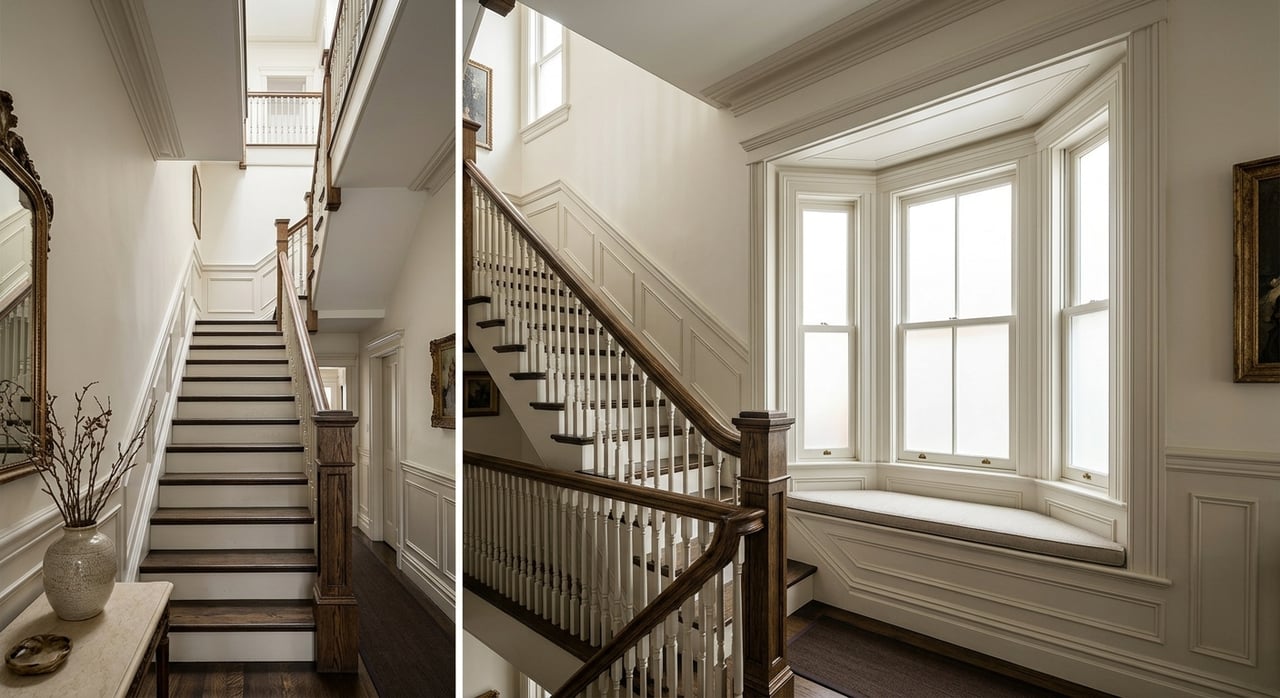
If your home has architectural details, let them stand out. Fresh paint, well-scaled furniture, and thoughtful lighting can make original character feel elevated rather than busy.
The primary bedroom should feel calm and finished. You do not need a dramatic redesign to create that effect.
Start with neutral bedding, edited furniture, and a fresh coat of paint if needed. Repairing scuffed baseboards, replacing dated light fixtures, and improving closet organization can also make the space feel more polished.
Kitchens matter, but resale-driven kitchen work should usually be restrained. NAR’s 2025 Remodeling Impact Report gave kitchen upgrades a Joy Score of 10, and REALTORS® reported stronger demand for kitchen and bath updates over the last two years.
That does not necessarily mean a full custom rebuild is the right move before selling. In many cases, a lighter refresh can deliver the look buyers want without the cost, disruption, and permit complexity of a major renovation.
Consider practical kitchen updates like:
Bathrooms are another area where buyers notice condition quickly. Like kitchens, they often benefit more from selective improvements than from a full gut job when you are preparing for market.
A resale-minded bathroom refresh might include paint, lighting, mirror replacement, regrouting, fixture swaps, or repairing signs of age and moisture. The goal is not to create a highly personalized luxury spa. The goal is to make the room feel bright, functional, and move-in ready.
In a neighborhood where homes trade at premium price points, staging can be a practical marketing tool rather than an extra. NAR’s 2025 staging report found that 29% of agents said staging increased the dollar value offered by 1% to 10%, and 49% said it reduced time on market.
The same report found a median cost of $1,500 for using a staging service, compared with $500 when the listing agent handled staging. For many Cow Hollow sellers, that can be a worthwhile investment if it helps the home photograph better, show better, and feel more cohesive online and in person.
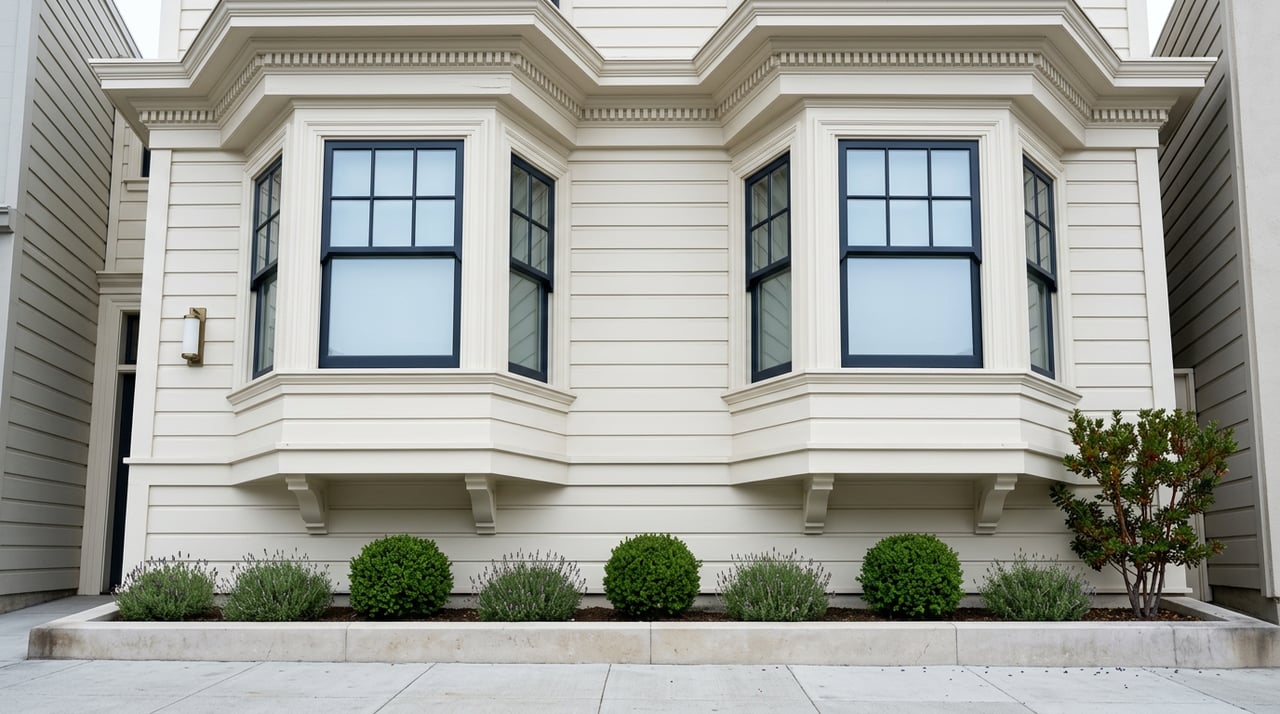
First impressions start before buyers reach the front door. In Cow Hollow, exterior presentation matters, but exterior changes should be thoughtful and proportionate.
Small upgrades can go a long way. NAR’s 2025 remodeling data showed very strong perceived payoff for selective exterior items, including a new steel front door at 100% cost recovery and a new fiberglass front door at 80%.
If your front door looks worn, dated, or out of place, replacing or refinishing it may be worth considering. Clean steps, working lighting, neat landscaping, and a tidy stoop also help the home feel cared for from the start.
Because Cow Hollow streetscapes are visually important, subtle improvements often outperform flashy ones. Buyers should notice quality and upkeep, not a mismatch with the surrounding block.
Rear yards are part of Cow Hollow’s defining pattern of mid-block open space. San Francisco Planning notes that intrusions into rear yards may be inappropriate if they do not respect that shared open-space character.
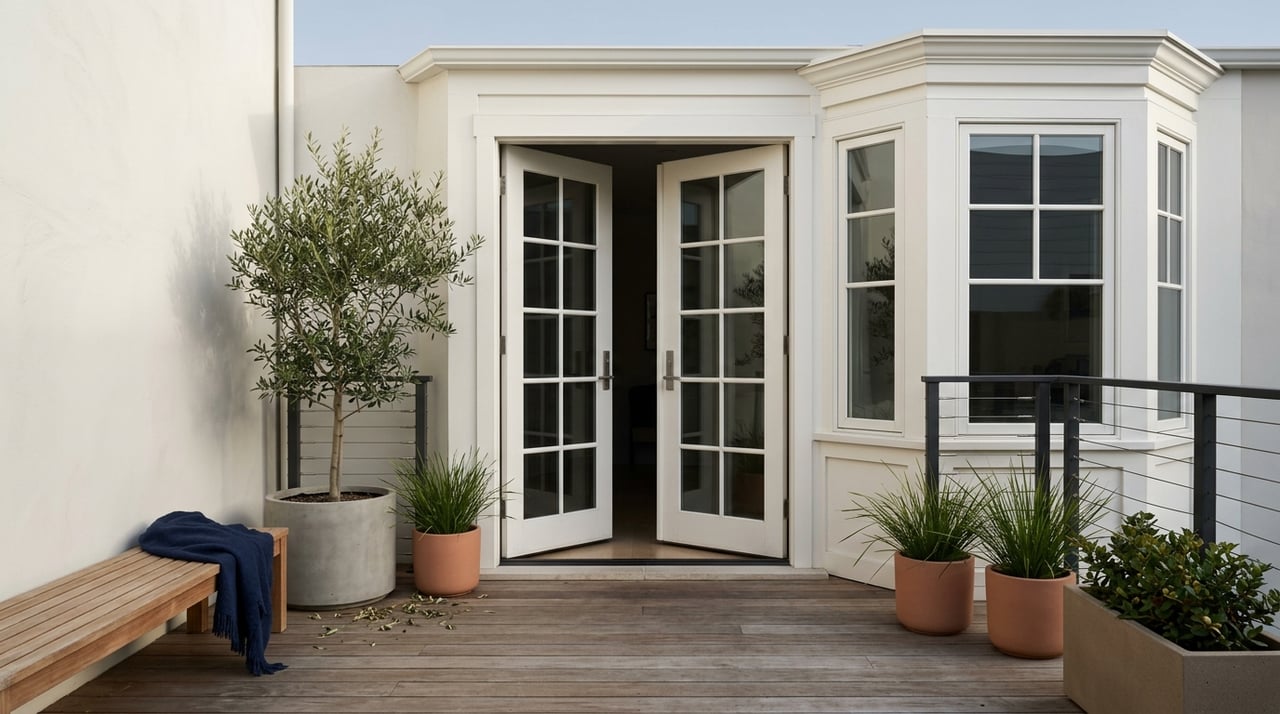
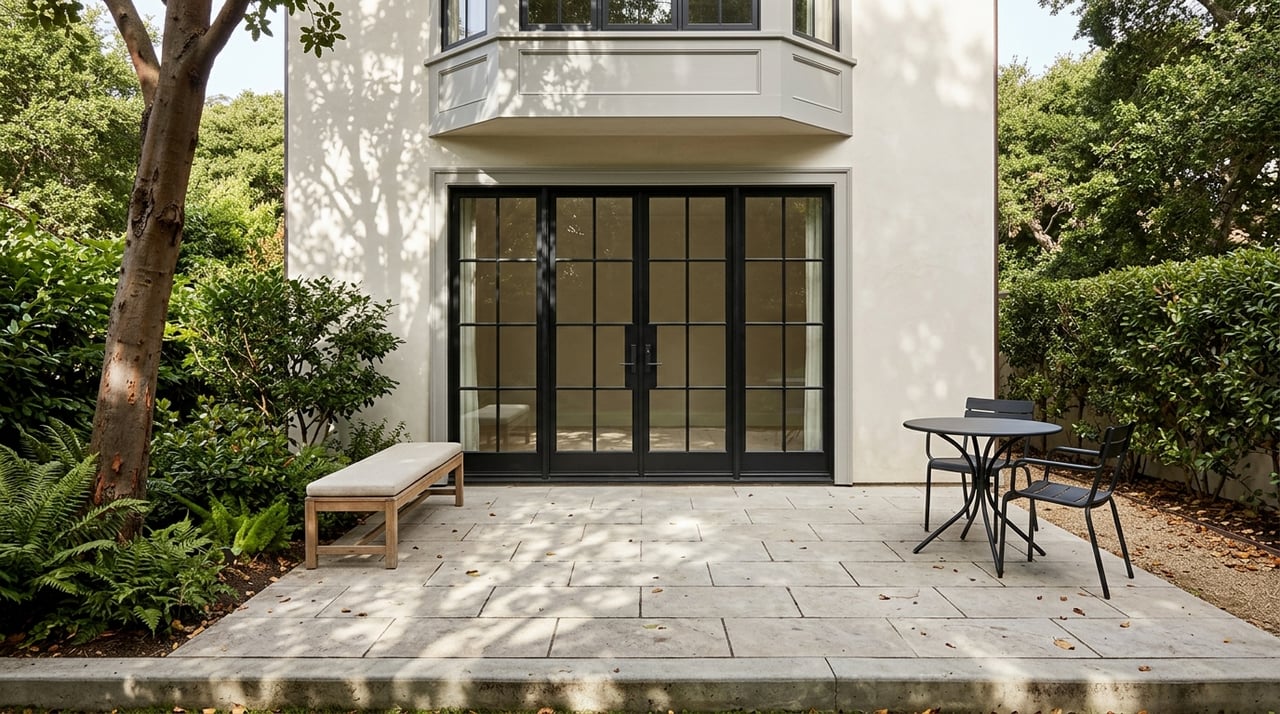
For most sellers, modest work is the safer path. Landscape cleanup, deck refinishing, and simple outdoor staging usually make more sense than aggressive enclosure or hardscape projects that consume open space.
One of Cow Hollow’s core value drivers is its relationship to light, openness, and northward views. San Francisco Planning specifically notes that preserving views is a consideration when remodeling or adding on.
That matters if you are considering a larger project before listing. An addition that increases bulk, interrupts sight lines, or feels out of scale with nearby homes may not help your resale position, even if it adds square footage on paper.
In practical terms, the best pre-listing improvements usually enhance what is already there. They sharpen the home’s presentation instead of trying to reinvent the property right before market.
Parking can matter to buyers, but in San Francisco it is also a planning and design issue. San Francisco Planning’s garage and curb-cut guidance says the city’s transit-first policy aims to conserve on-street parking, minimize curb cut width and frequency, and keep garage placement and door design compatible with the building and street.
The city also does not require off-street parking for every property. So if you are thinking about adding a garage or enlarging an existing opening before listing, it is important to weigh cost, review risk, and design impact.
Planning guidance notes that garage openings should be no larger than necessary and may be more appropriate on side or rear elevations. On narrow lots, garage doors can dominate the ground floor and strongly affect how the building reads from the street.
For resale, that means a garage project is rarely a casual cosmetic decision. If your home already has parking, focus first on presentation, function, and subtle design improvements rather than major structural changes.
In Cow Hollow, permit risk should shape your upgrade strategy. A project that sounds simple can become much more time-consuming once local review starts.
For example, ordinary repainting usually does not require a permit, though there are exceptions for certain historic contexts. By contrast, San Francisco requires a building permit for every window replacement, and street-visible replacements receive additional Planning review.
If your windows need attention, repair may be the better path than replacement. San Francisco Planning specifically advises repairing windows rather than replacing them when possible.
That guidance matters for both cost and timing. If you are trying to get to market efficiently, window replacement may not be the best place to start unless the need is clear and the schedule can absorb it.
Kitchen and bath remodels do have a permit path in San Francisco, including over-the-counter permits for many interior residential remodels. Some like-for-like exterior replacements can also move through the city’s online permitting systems.
Still, even if a project is technically possible, that does not mean it is the best pre-listing investment. In many cases, the safer spend is on the work buyers can see immediately: paint, cleaning, staging, selective fixture and finish updates, and obvious repairs.
If your property is a historic resource or sits within a historic district, exterior alterations, substantial additions, or front-façade changes can trigger additional review. Garage additions may also be denied if they damage character-defining features such as front setbacks, bay windows, front porches, or historic fences.
That is one more reason to be cautious about ambitious exterior work right before listing. In Cow Hollow, restraint is often a strength.
If you want a simple framework, think in this order: presentation first, selective refresh second, major construction last. That approach usually aligns best with both buyer behavior and the local planning environment.
A smart Cow Hollow pre-listing checklist often looks like this:
Before you invest in improvements, it helps to ask a simple question: will this change improve how buyers experience the home, or will it just add cost and delay? In Cow Hollow, the highest-impact answer is often a polished, well-edited presentation that respects the home’s architecture and the neighborhood’s design character.
That is especially true in a market where buyers are moving quickly and paying close attention to condition. When your home looks clean, current, and thoughtfully prepared, you give it the best chance to stand out for the right reasons.
If you are weighing which upgrades are worth doing before you sell, Steve Giannone can help you build a strategy that balances presentation, cost, timing, and neighborhood fit.
Stay up to date on the latest real estate trends.



Get expert guidance tailored to your goals—whether you're buying, selling, or investing. Let's map out your next move with clarity and confidence.