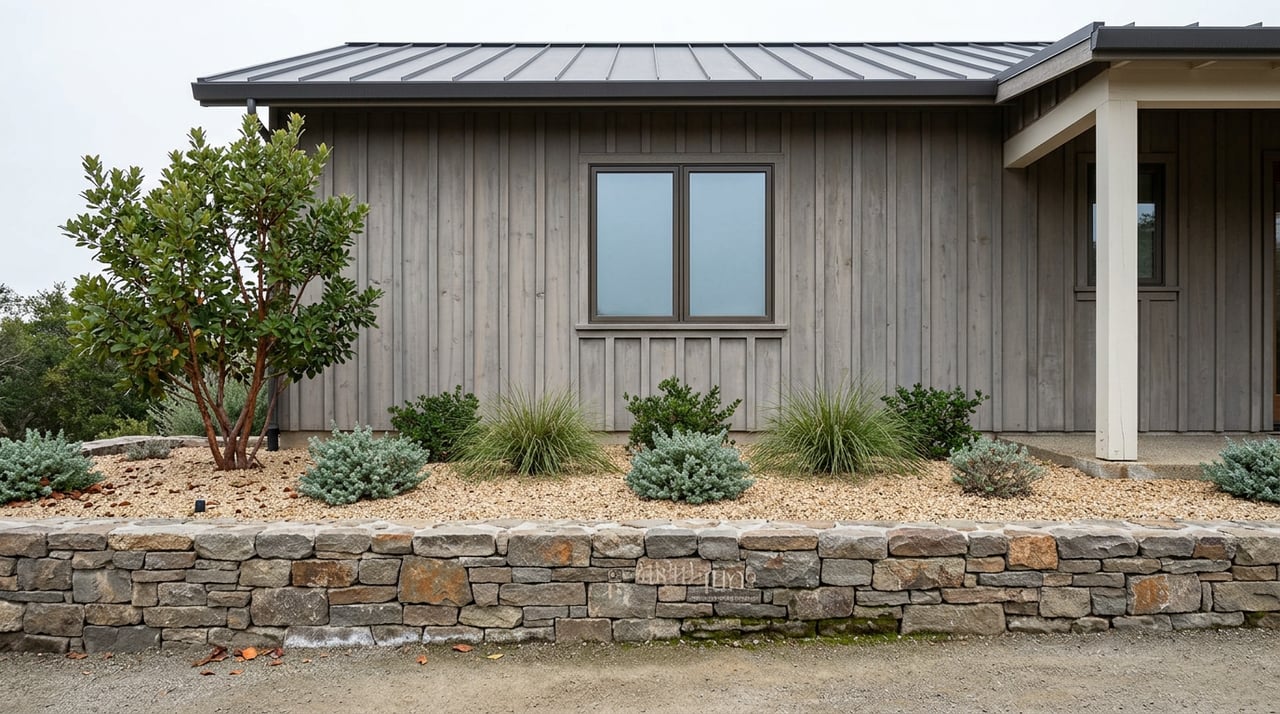
Why Mill Valley Escrows Are Stalling on Insurance, Not Price
August 13, 2026
August 13, 2026
A signed offer used to be the hard part of selling a hillside home in Mill Valley. In the first half of 2026 it is often the easy part. Homes have been going into contract fast, competition has been real, and a healthy share of sellers have watched buyers bid past asking. What has started showing up later in the process, closer to closing than anyone expects, is a very different kind of delay. A lender asks for proof of insurance. The buyer discovers the parcel sits in a Very High Fire Hazard Severity Zone. Their agent scrambles to find a carrier that will still write the address. The contingency clock keeps running.
This is not a Mill Valley-specific quirk of bad luck. It is the predictable result of three things converging at once this year: California's wildfire disclosure law, a statewide insurance market that has pulled back from hillside terrain, and a set of ember-resistant defensible space rules still being finalized by the state. None of it shows up in the median price. All of it shows up in escrow.
California is the only state that requires a Natural Hazard Disclosure Statement on residential sales, and the fire hazard piece of that form is not optional. Under Civil Code section 1103.2, a seller marks the box if the property sits inside a mapped Very High Fire Hazard Severity Zone, and much of the terrain climbing away from downtown Mill Valley toward Mount Tamalpais and the surrounding canyons falls into that category.
Layered on top of the NHD is Assembly Bill 38, which since July 1, 2025 has required sellers of homes built before January 1, 2010 and located in a High or Very High zone to complete a standardized checklist disclosing whether specific wildfire vulnerabilities are present: vents without ember-resistant screening, untreated wood roofing, combustible material within five feet of the structure. Sellers do not have to fix any of it. They have to tell the truth about what is there.
Before any of that paperwork reaches a buyer, most sellers also need a current defensible space inspection. Marin County requires homeowners to maintain cleared space out to 100 feet from the structure, split into three zones, and Marin County Fire coordinates the inspection reports that document compliance.
Sellers who want to avoid a mid-escrow scramble should have four things ready before the sign goes up:
Here is the part that changes how a seller should think about timing. When an admitted carrier will not write a hillside address, the fallback is the California FAIR Plan, the state's insurer of last resort. FAIR Plan dwelling coverage caps at $3 million, and it only covers fire, lightning, and internal explosion. Everything else, liability, theft, water damage, requires a separate Difference in Conditions policy layered on top. As of March 2026, roughly 41 percent of homes in the state's highest-risk zip codes carried a FAIR Plan policy, compared with about 4 percent in lower-risk areas.
Marin's hillside towns are part of that statistic. Reporting compiled by United Policyholders on Marin wildfire insurance found that Fairfax and Mill Valley residents have widely reported non-renewals and FAIR Plan referrals, a pattern consistent with the broader retreat of standard carriers from Wildland-Urban Interface terrain across the Bay Area.
A signed purchase agreement is a promise to close, not a closing. In Marin's hillside zip codes, the gap between the two increasingly comes down to whether a lender will accept the buyer's insurance stack before the loan contingency runs out.
The dollar figures make the mechanism concrete. Bay Area premiums do not track county lines. They track proximity to wildland fuel.
| Where the home sits | Typical annual premium, 2026 |
|---|---|
| Flatland San Francisco or inner Bay Area (admitted HO-3) | $1,200 to $3,200 |
| Wildland-Urban Interface hillside terrain (Marin, Oakland and Berkeley hills, Santa Cruz Mountains) | $4,000 to $15,000 or more |
| California FAIR Plan, statewide average | $3,000 to $3,200 |
| FAIR Plan plus a DIC wrap, high-wildfire Bay Area zones | $4,000 to $12,000 or more before the wrap premium is added |
Source ranges compiled from Latent Insurance's Bay Area homeowners insurance guide and FAIR Plan cost guide, both current as of 2026.
The pattern that matters for pricing conversations is not the top or bottom of that range. It is how fast the number moves across a short distance. Crossing from a flatland block into a hillside Wildland-Urban Interface zone, often a matter of a few streets, can triple or quadruple the premium, or push the home out of the admitted market entirely. Two Mill Valley homes that look nearly identical in a listing photo can face completely different buyer pools once insurance enters the picture, even though the town's overall price trend suggests one uniform market.
There is a second regulatory piece moving in real time. State law directs the Board of Forestry and Fire Protection to establish an ember-resistant zone covering the first five feet around every structure, known as Zone 0. A gubernatorial executive order had set a December 31, 2025 deadline for finalizing the rule, but the Board's most recent published proposal, a draft released in April 2026, shows the regulation had still not been adopted by that point. That draft would require removal of dead branches, clearance of ladder fuels on the lower portion of trees, and non-combustible material at any point where a fence or gate attaches to the house.
None of that was finalized law as of that draft, which means no Mill Valley seller can be cited today for failing to meet a Zone 0 standard that has not been formally adopted. What has already changed is buyer and lender behavior. Documented hardening, cleared vents, a Class A roof, a fire-smart perimeter, is exactly the evidence an underwriter wants before writing a policy above the FAIR Plan floor. Sellers who can show that work is done are effectively pricing their home for a wider insurance market, whether or not the state has locked in the final rule.
Mill Valley's transaction volume picked up in the first half of 2026, with sales activity rising from the same period a year earlier and price per square foot climbing from the prior half of 2025 as well. A meaningful majority of homes sold above asking price, and close to half of listings drew multiple offers. That is not a market with much patience for a slow-moving problem.
Set the insurance mechanics next to that pace and the risk becomes obvious. If a buyer's lender kicks back a FAIR Plan-only policy and requires the DIC wrap, or if the defensible space report on file is stale and has to be redone before any carrier will quote the property, the loan contingency can run out before the insurance question gets resolved. In a market moving this fast, insurance readiness is often the difference between a clean close and a deal that unwinds after the buyer's financing falls through.
Does every Mill Valley home face the same insurance picture? No. Risk is assessed by parcel, not by town. A home a few streets from downtown may sit in a different Fire Hazard Severity Zone than one further up the hill. Check the specific address on CAL FIRE's viewer rather than assuming based on the neighborhood's reputation.
Do I have to fix hardening problems before I sell? No. California law requires disclosure of known conditions, not repair. You disclose what you know, hand over the required checklists, and let buyers decide what to do with the information.
Is a FAIR Plan policy enough on its own to close? Usually not. Most lenders require a Difference in Conditions policy alongside the FAIR Plan to cover the liability, theft, and water damage that a fire-only policy leaves out.
None of this is legal or insurance advice, but knowing the sequence ahead of time keeps a seller from being ambushed by it three weeks into escrow. If you are weighing a sale in Mill Valley or anywhere in Marin's hillside terrain, Steve Giannone can walk through what your specific parcel's fire zone status and insurance exposure look like before you list, not after an offer is already on the table. Schedule a strategy call to start that conversation early.
Stay up to date on the latest real estate trends.




Get expert guidance tailored to your goals—whether you're buying, selling, or investing. Let's map out your next move with clarity and confidence.